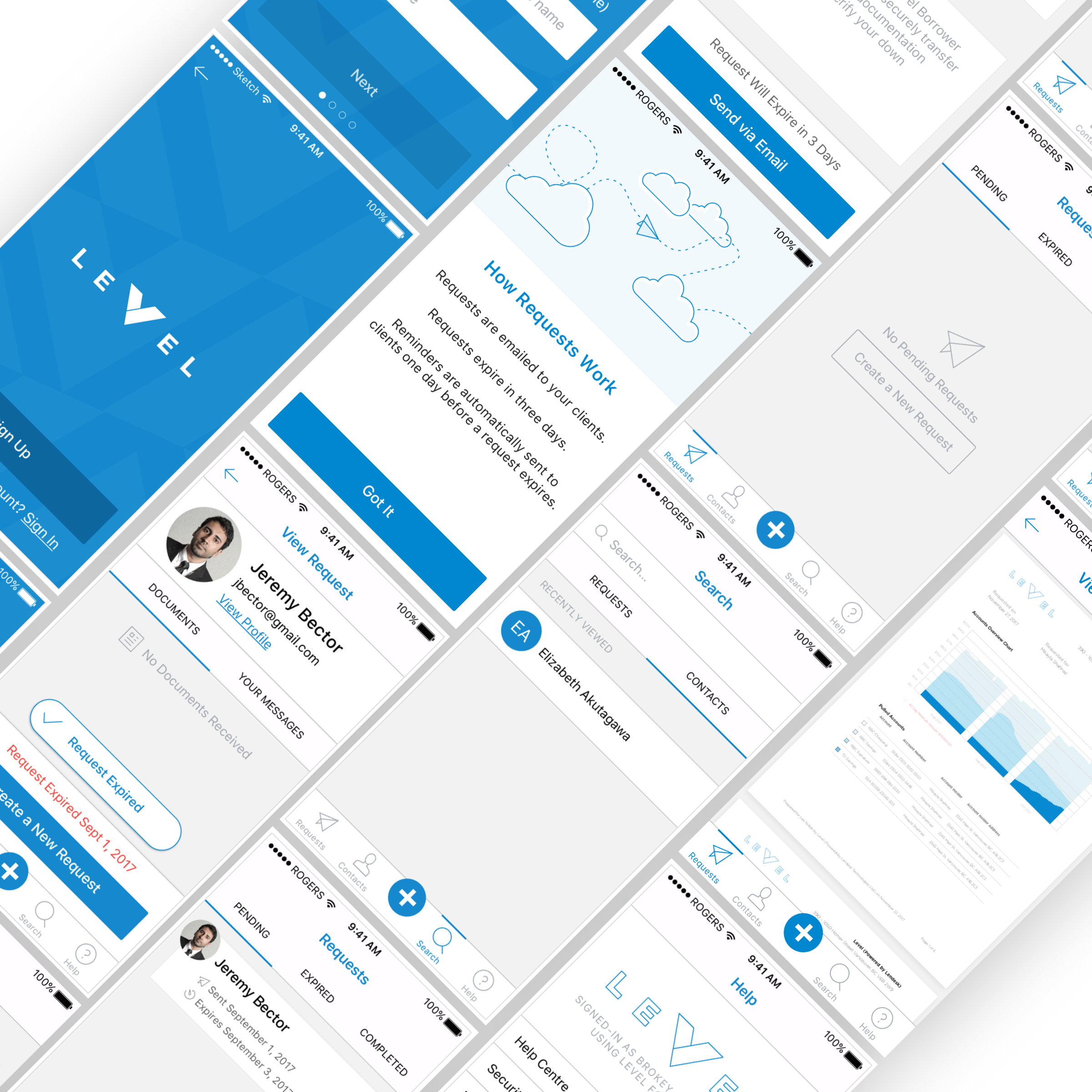
Level: Reducing friction in a high-stakes mortgage workflow
Summary
- Goal: Designing a trust-sensitive system
- Role: Product Design Lead
- Other team members: Senior Product Designer, Product Manager, and Engineering Lead
- Contributions: High-stakes workflow architecture, system resilience, and cross-persona coordination
- Timeline: 8 months
- Outcomes: Achieved early market validation and identified systemic risks that led to a responsible product sunset
The challenge
Down payment verification is one of the most fragile steps in the mortgage process. Borrowers must gather months of financial documents across multiple accounts, while brokers depend on those documents being complete, accurate, and trusted. Before Level, we heard from brokers that:
We faced several concurrent puzzles:
“Getting bank statements is painful”
“It's a nightmare to track as amounts may be in various accounts”
There was simply too much "back and forth"
Understanding the breakdown
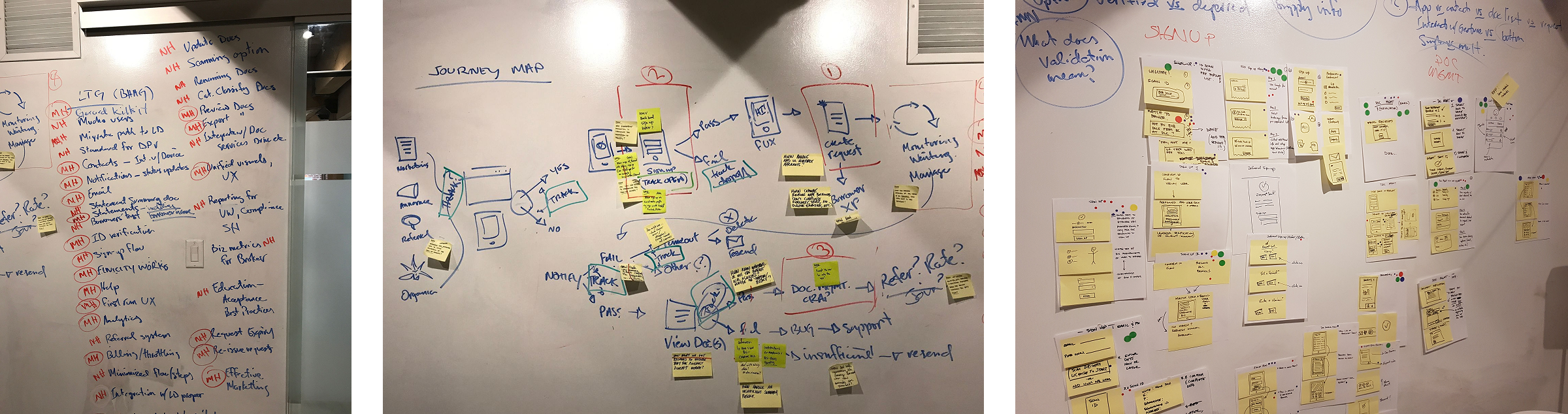
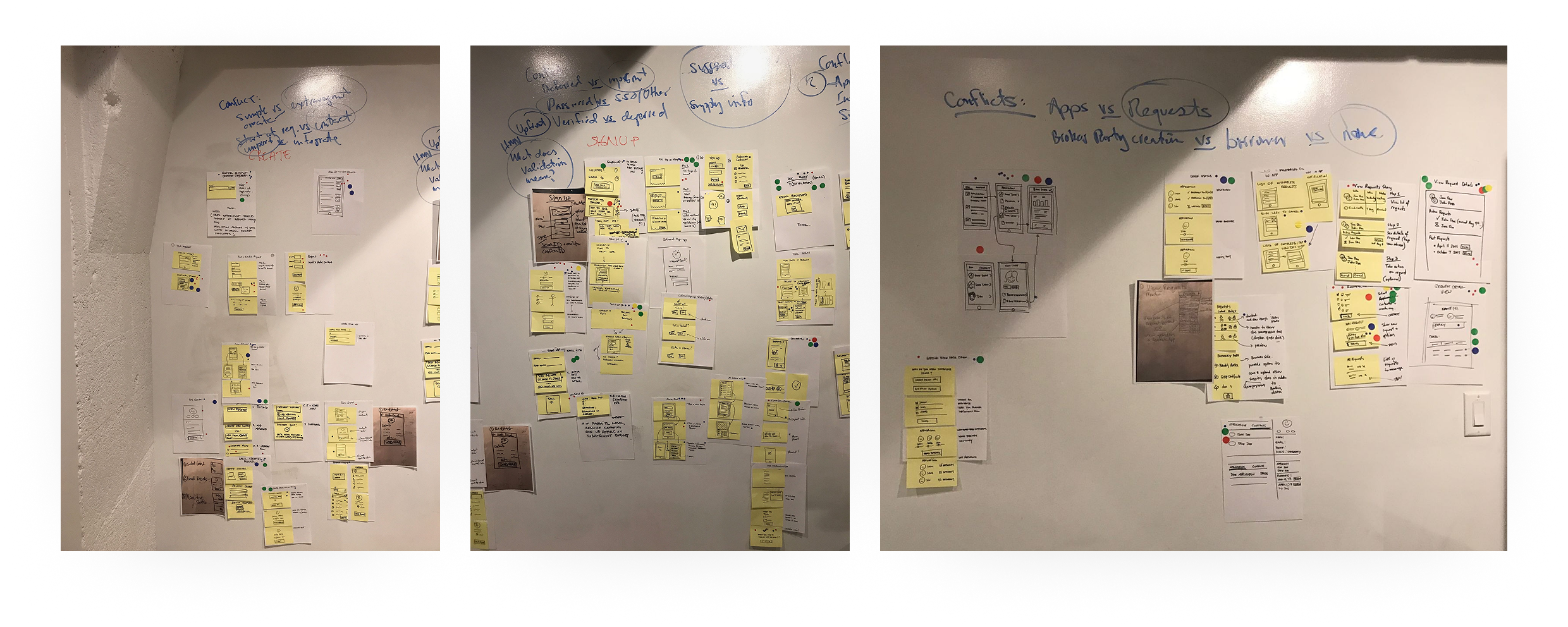
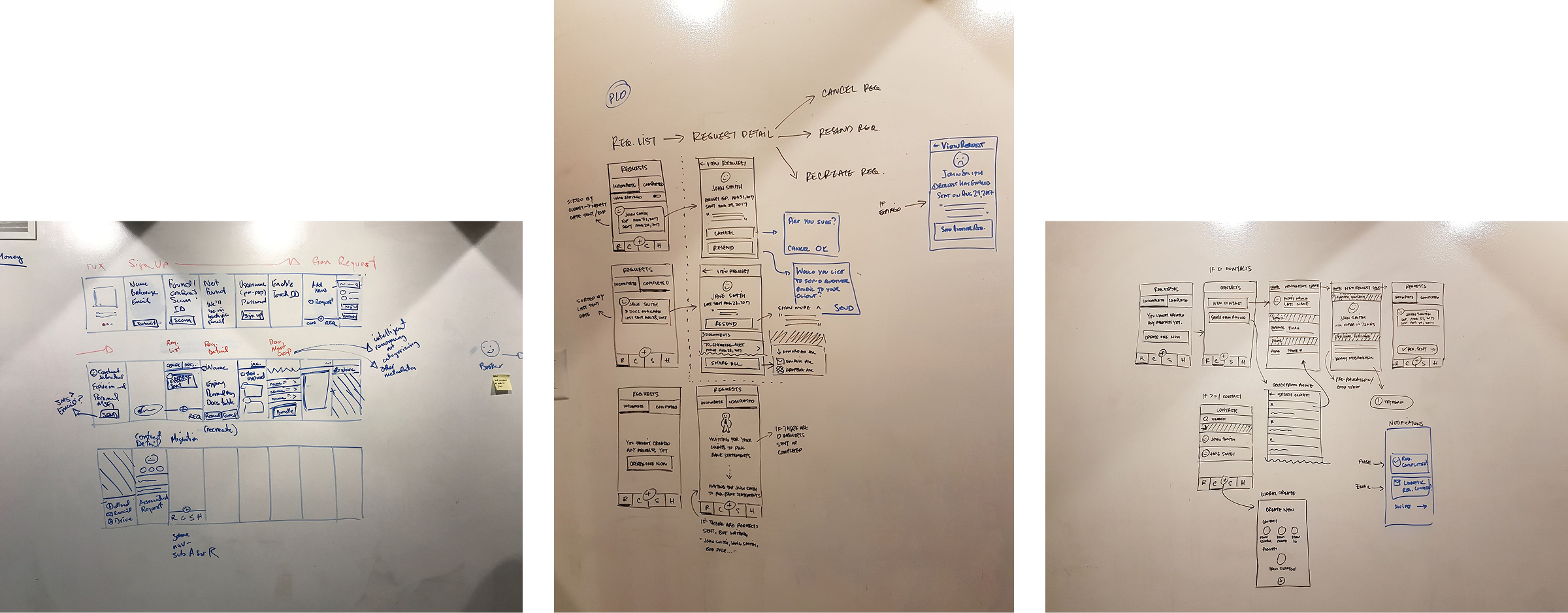
We conducted interviews and workshops with mortgage brokers to understand where verification broke down.
Key insights included:
- Documentation gaps: Brokers often received documents that were inconsistent, incorrectly formatted, or missing bank account numbers and client names
- Retention risk: Brokers faced the risk of losing borrowers to their bank when clients visited branches in person to retrieve statements
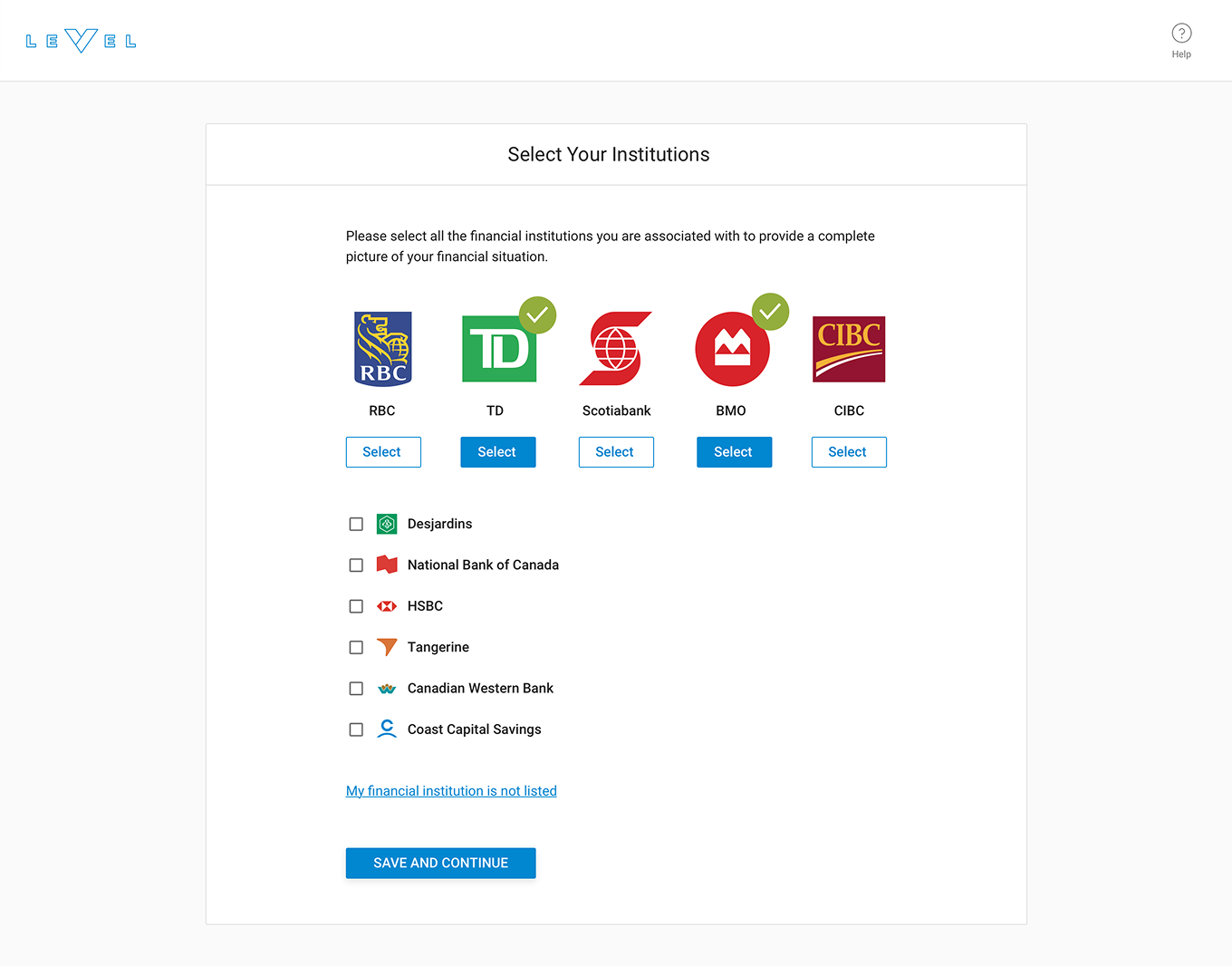
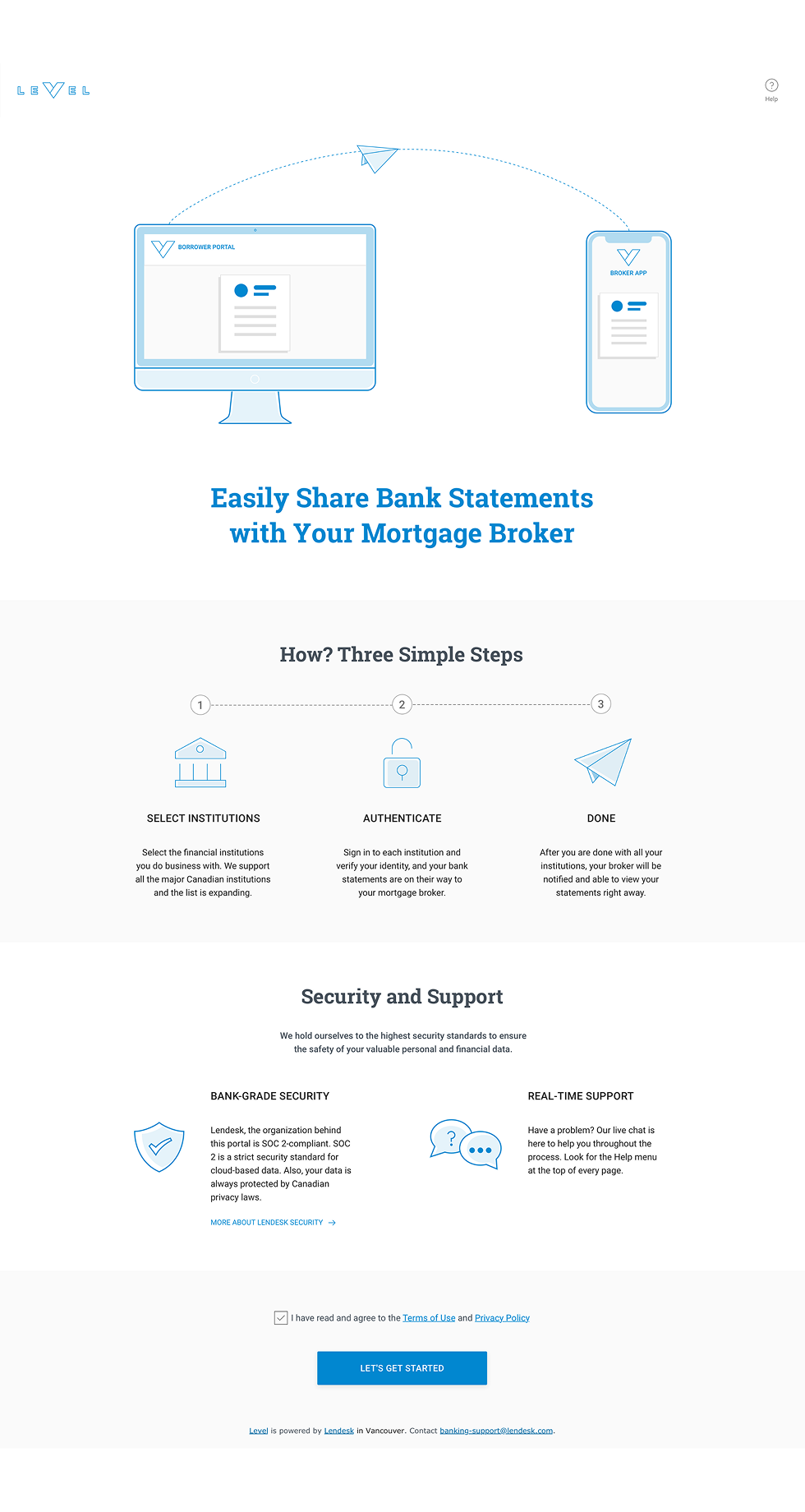
- Borrower friction: Borrowers had to log in to online banking platforms or visit branches to obtain three months of statements, then manually forward them
- Approval delays: Errors and missing information delayed approvals and significantly increased risk for the lender
How we approached the work
I led design for Level from concept through launch, working across product, engineering, and customer success.
Our responsibility went beyond designing flows; we had to balance speed to market against trust and reliability while anticipating failure modes in third-party integrations for two distinct mental models.
Balancing speed and reliability
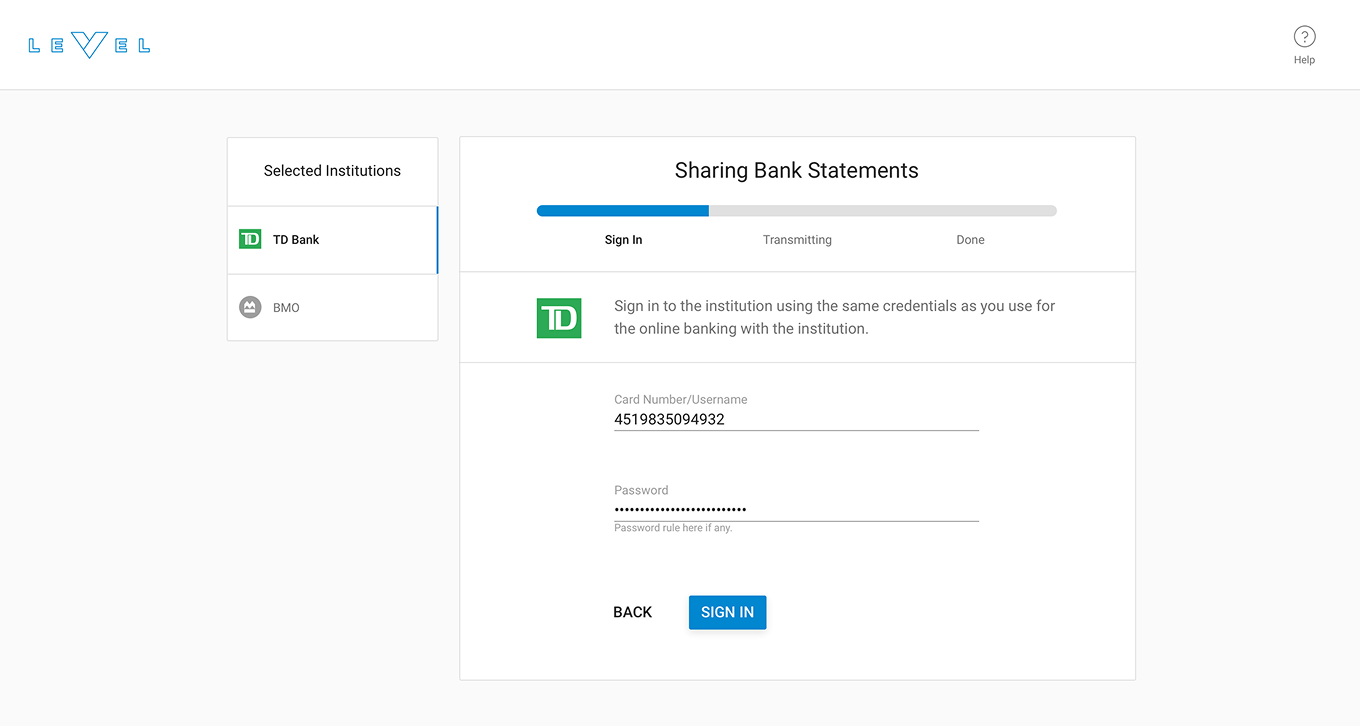
To validate the market quickly, we made a strategic bet to use a third-party service for bank connections. This was a deliberate choice to accept reduced control in exchange for faster validation.
To manage this:
- Explicit system states: We made system states explicit to prevent silent failure, including clear success, partial success, and failure states
- Deliberate loading: We prioritized trust over perceived speed by using deliberate loading and confirmation states in a high-stakes financial workflow
- Plain-language notifications: We used human-centric notifications so every verification request felt clear and intentional, not alarming
The turning point: Results and hard truths
Adoption
121% of initial target
Engagement
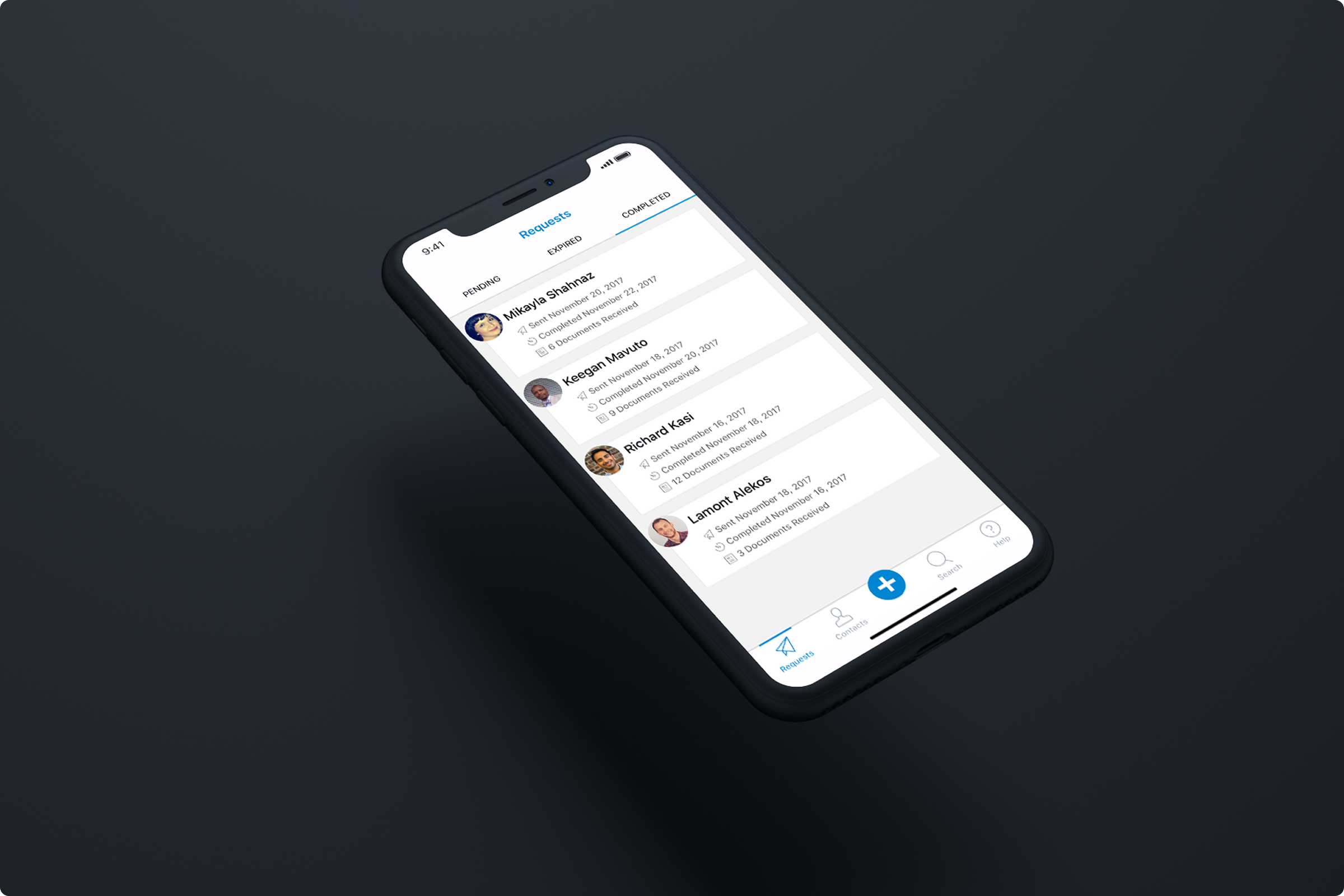
97 brokers initiated 318 document requests
Qualitative success
Broker community called service a “game changer”
However, the third-party reliability began to erode the very trust we aimed to build.
- Inconsistent outcomes: The connection was often unstable and slow, causing some documents to be retrieved while others timed out
- Systemic ambiguity: The system treated these as technical edge cases, but users experienced them as total uncertainty: "Is this usable? Do I need to retry?"
- Strategic sunset: Recognizing that no amount of UX polish could compensate for an unstable technical foundation, I applied senior-level judgment to help lead the decision to sunset the product responsibly
Reflection
Design is only as strong as its least reliable integration.
This project was a powerful lesson in the "total trust" model. During our early workshops, we correctly identified that 3rd-party data instability could be our downfall. We took the gamble for the sake of velocity, but the outcome was a definitive reminder: users don't care who is at fault for a timeout; they only see your brand.
- The insight: Accuracy is the silent pillar of UX – if users second-guess the data, trust erodes faster than any UI can build it
- The lesson: Trust is a fragile currency – I now focus on "failure-proofing" experiences from day one
- The reality: We accurately predicted the failure mode, which allowed us to make the difficult, senior-level decision to sunset the product responsibly once the risk materialized