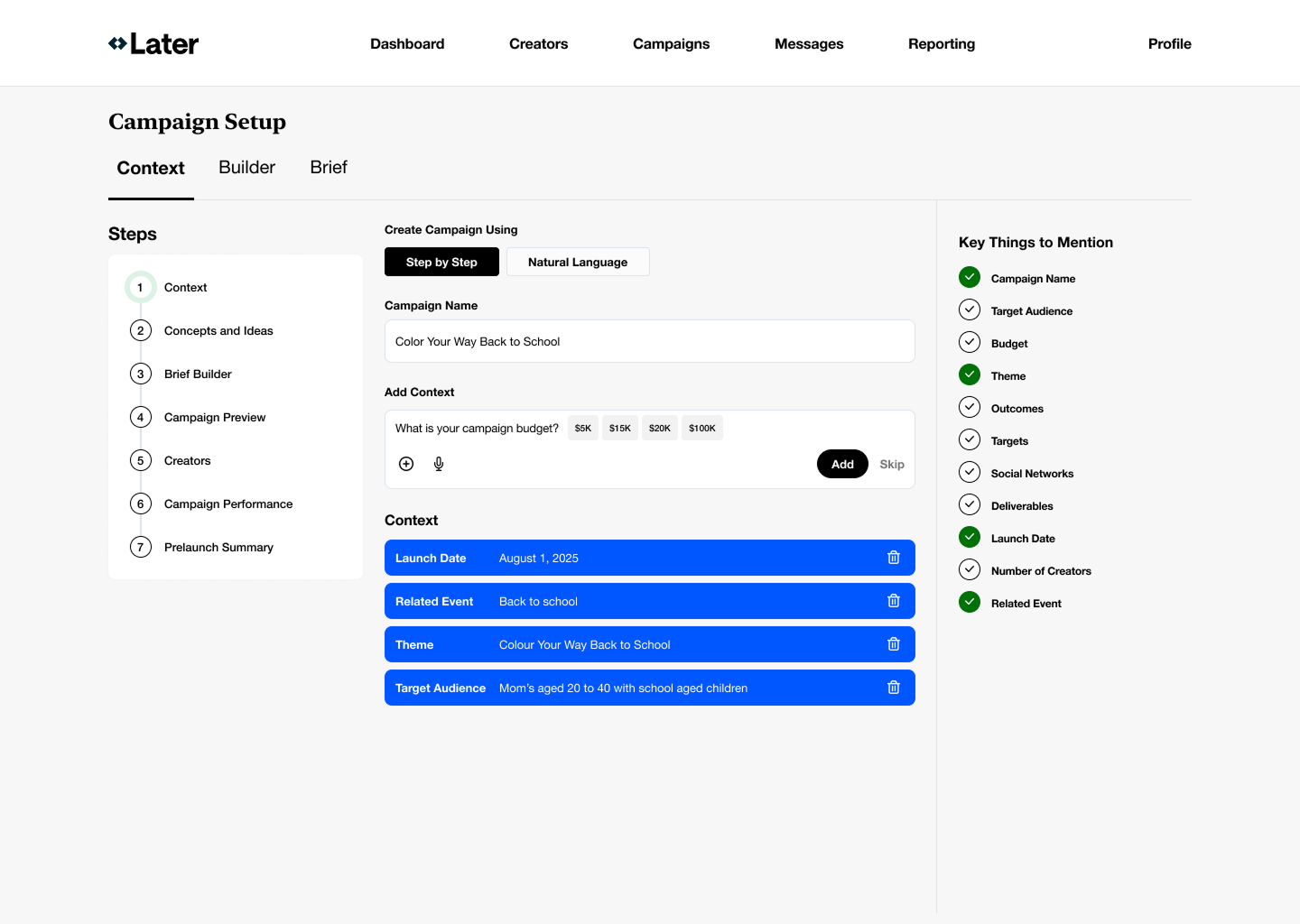
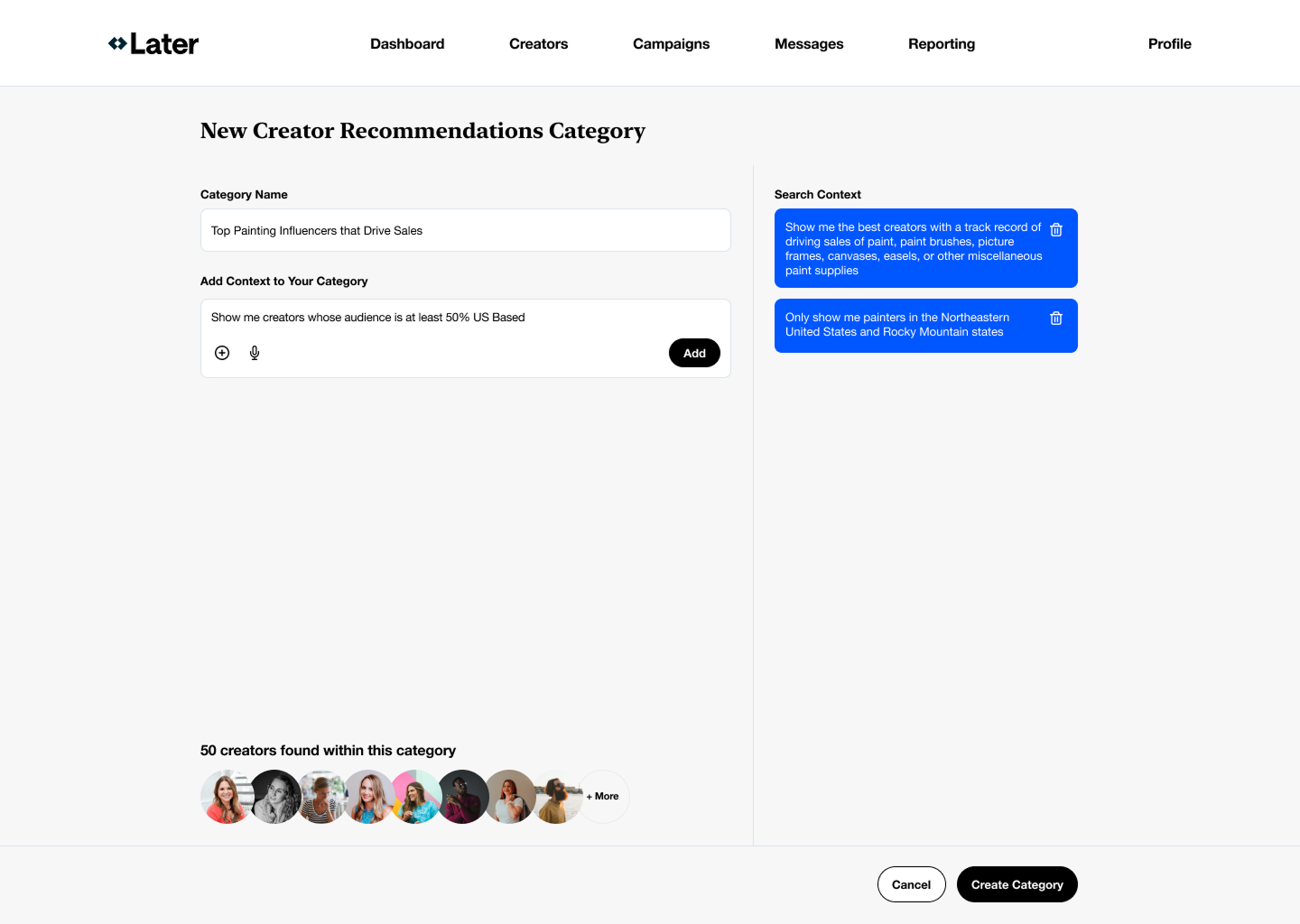
Later had recently acquired Mavely, bringing together two products that served overlapping but differently framed marketer workflows. While both products were successful in isolation, they lacked a shared mental model of how marketers move from discovery to execution to measurement.
We faced several concurrent puzzles:
Leadership needed a clear direction for future product investment.
Teams were exploring AI in silos without a unifying experience strategy.
There was a real risk of building disconnected features that increased complexity rather than reduced it.
We understood that the goal wasn't just visual consistency, but strategic system alignment and trust
We were asked to lead this work under a focused 7-day timeline ahead of an executive board meeting. Our responsibility was not to design production-ready UX, but to translate executive strategy into a coherent experience model.
We focused on absorbing ambiguity so teams wouldn't prematurely lock into narrow solutions. I took responsibility for:
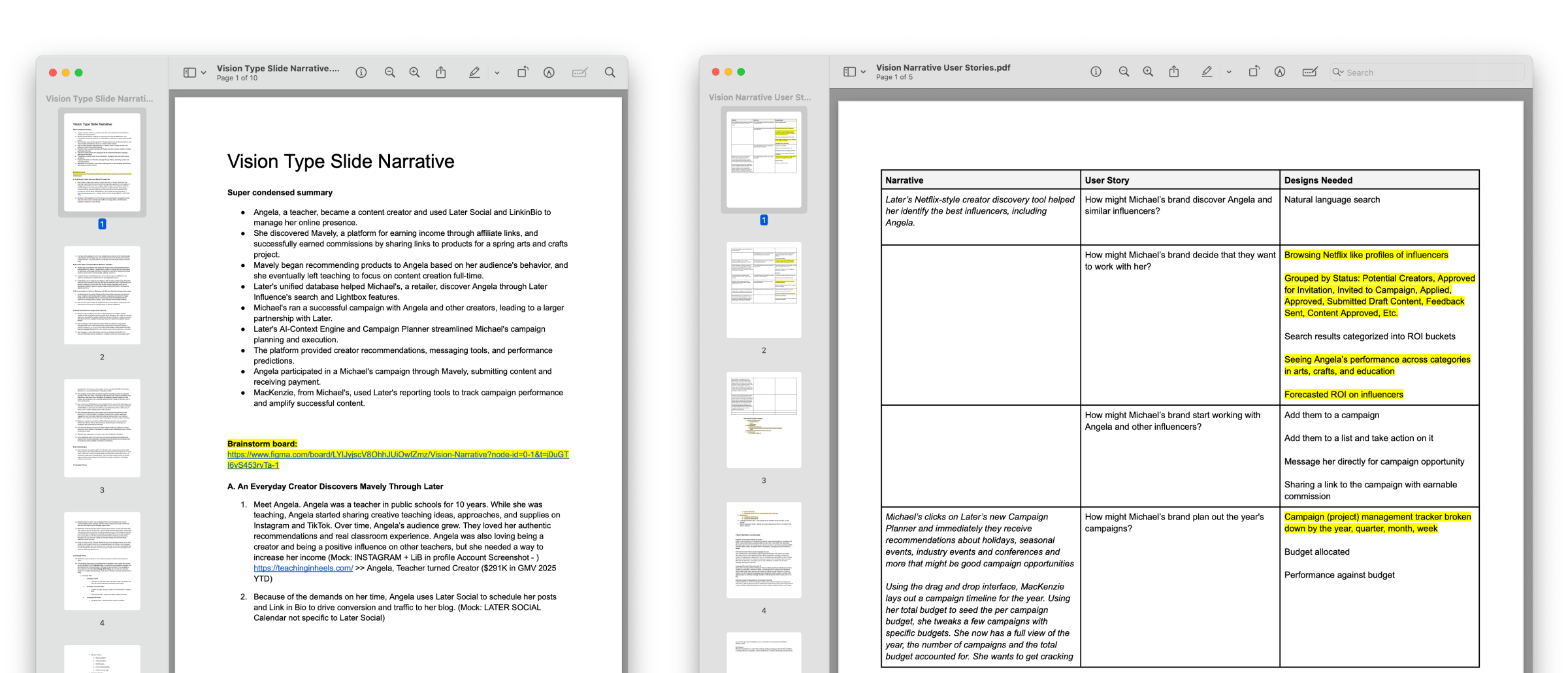
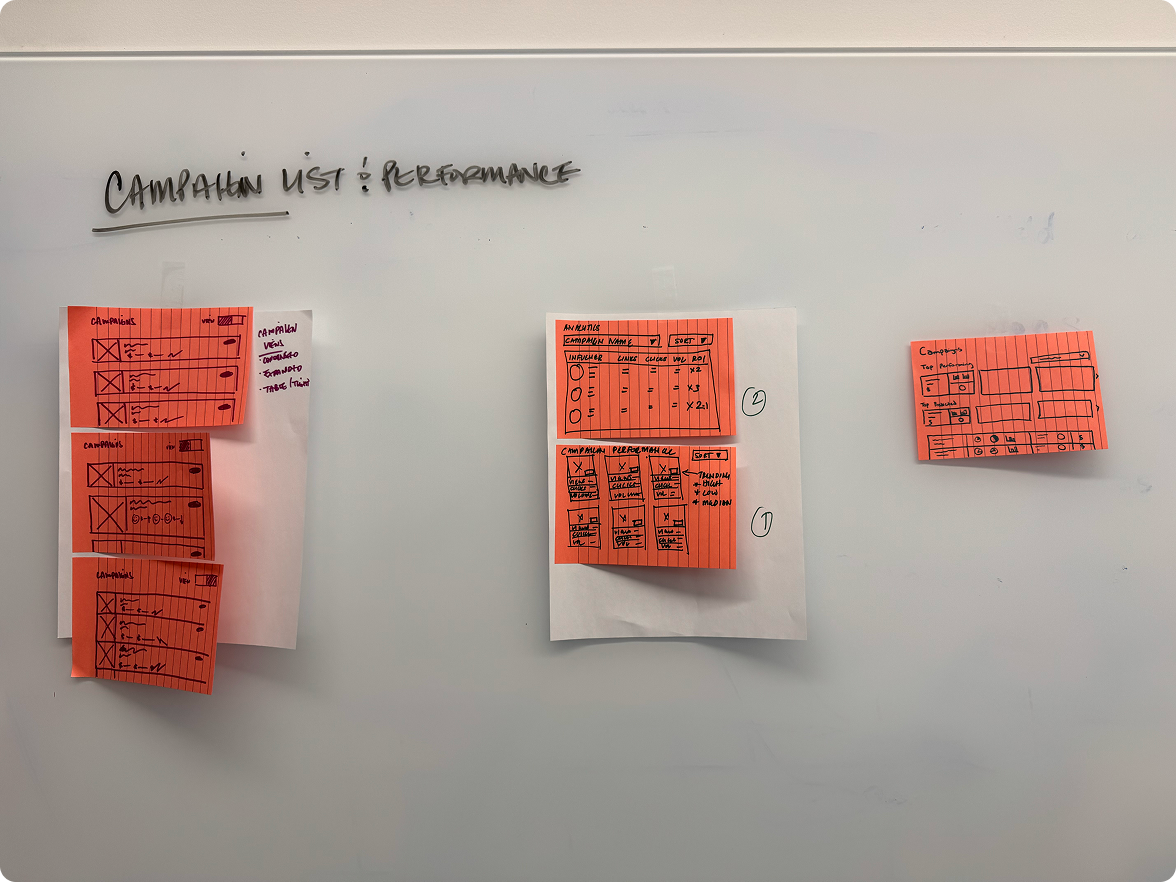
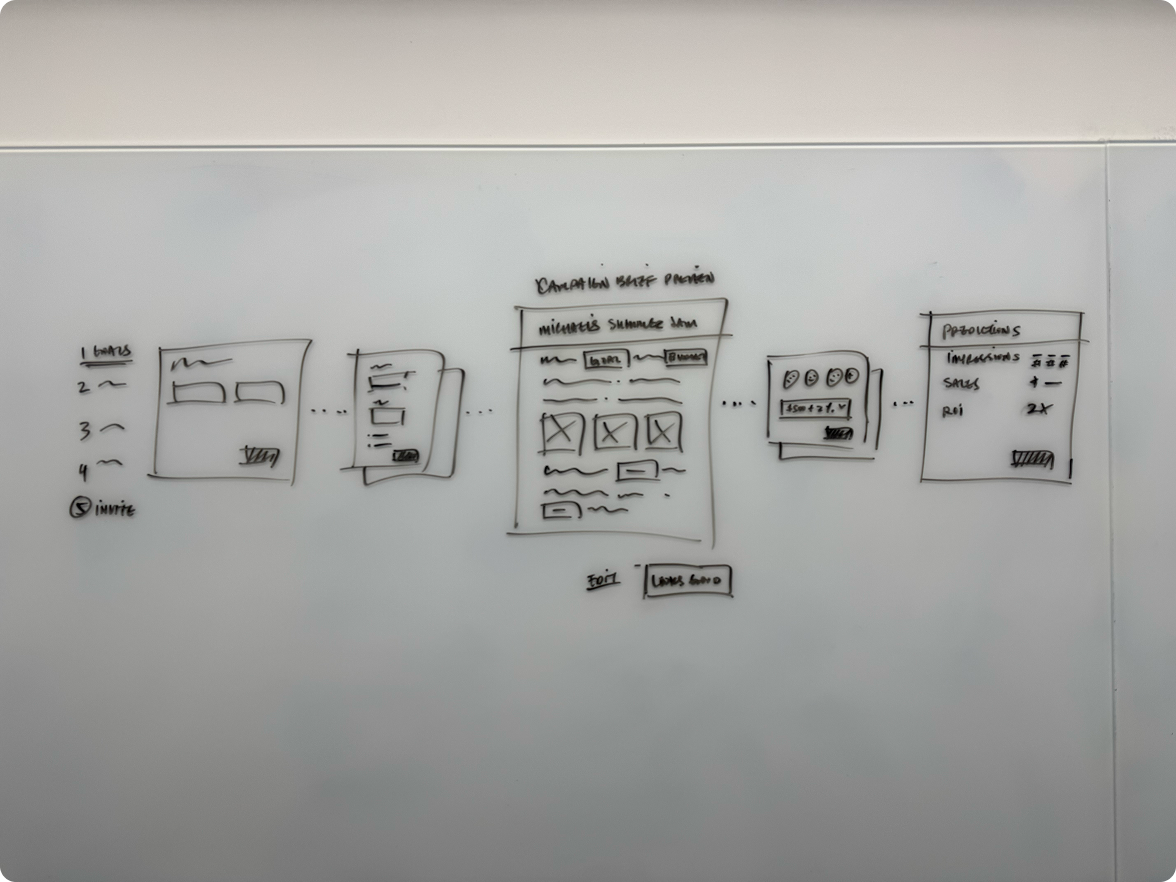
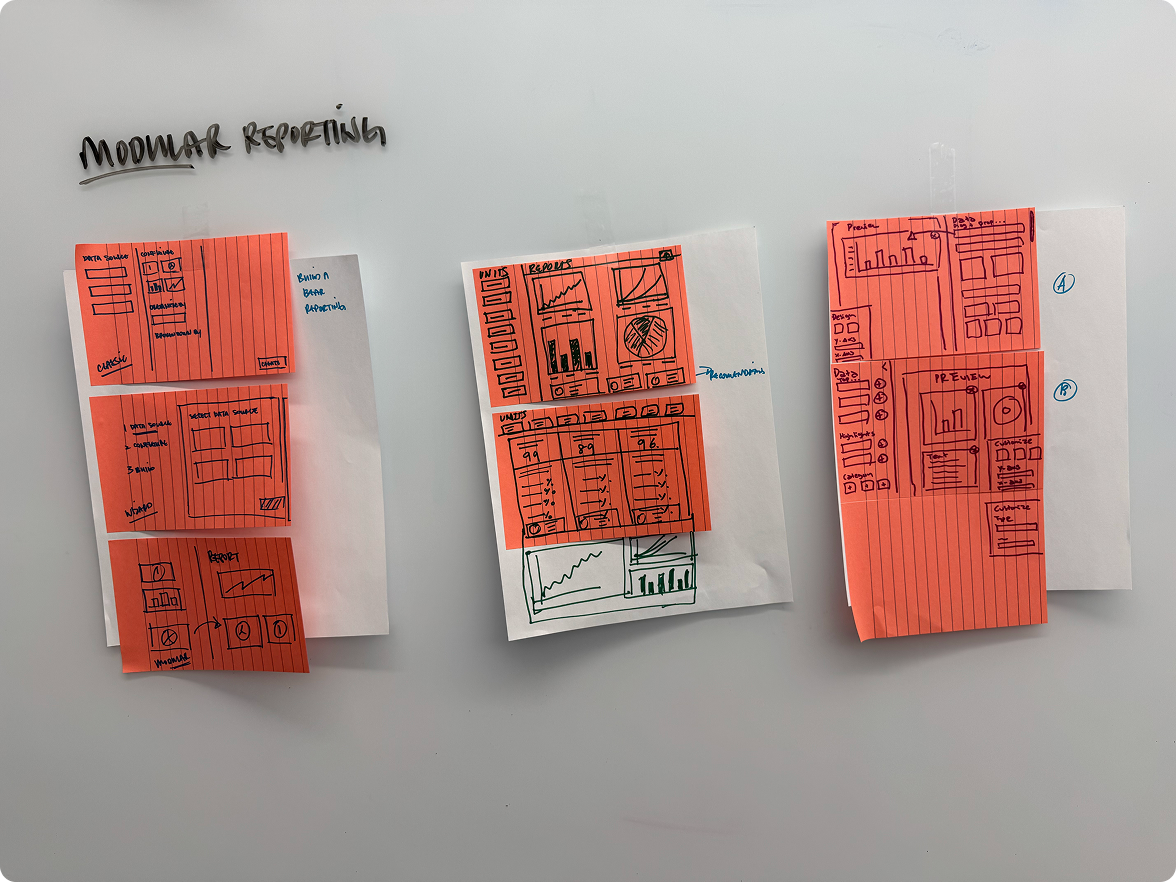
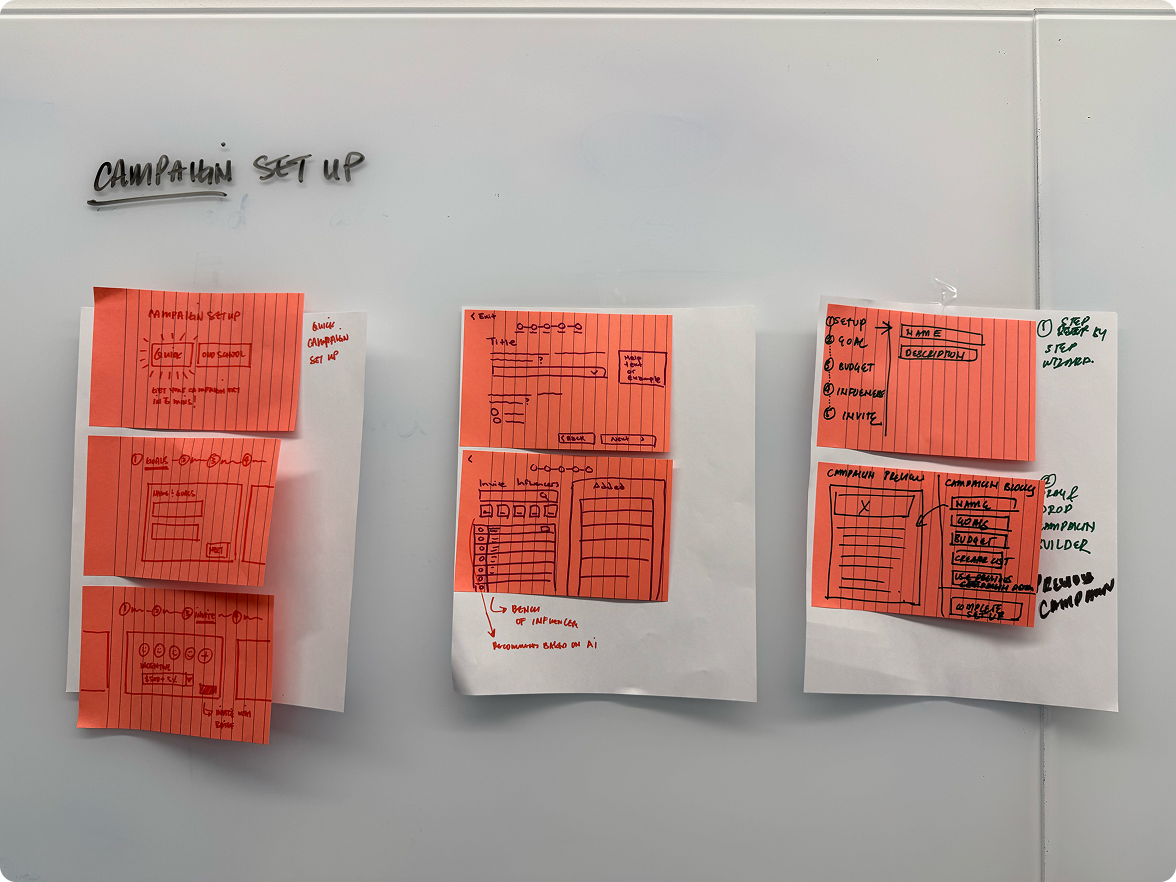
As we explored the integration of AI, we realized the core question was how to help marketers understand, trust, and navigate a complex ecosystem of data, creators, campaigns, and outcomes.
Our research showed marketers were struggling with:
Inefficient and fragmented workflows across platforms
Difficulty predicting creator ROI before committing budget
Cognitive overload when managing their programs at scale
Given the tight constraints, we focused on rapid synthesis rather than net-new research.
To build the vision, we:
The team made several intentional decisions to keep the vision focused:
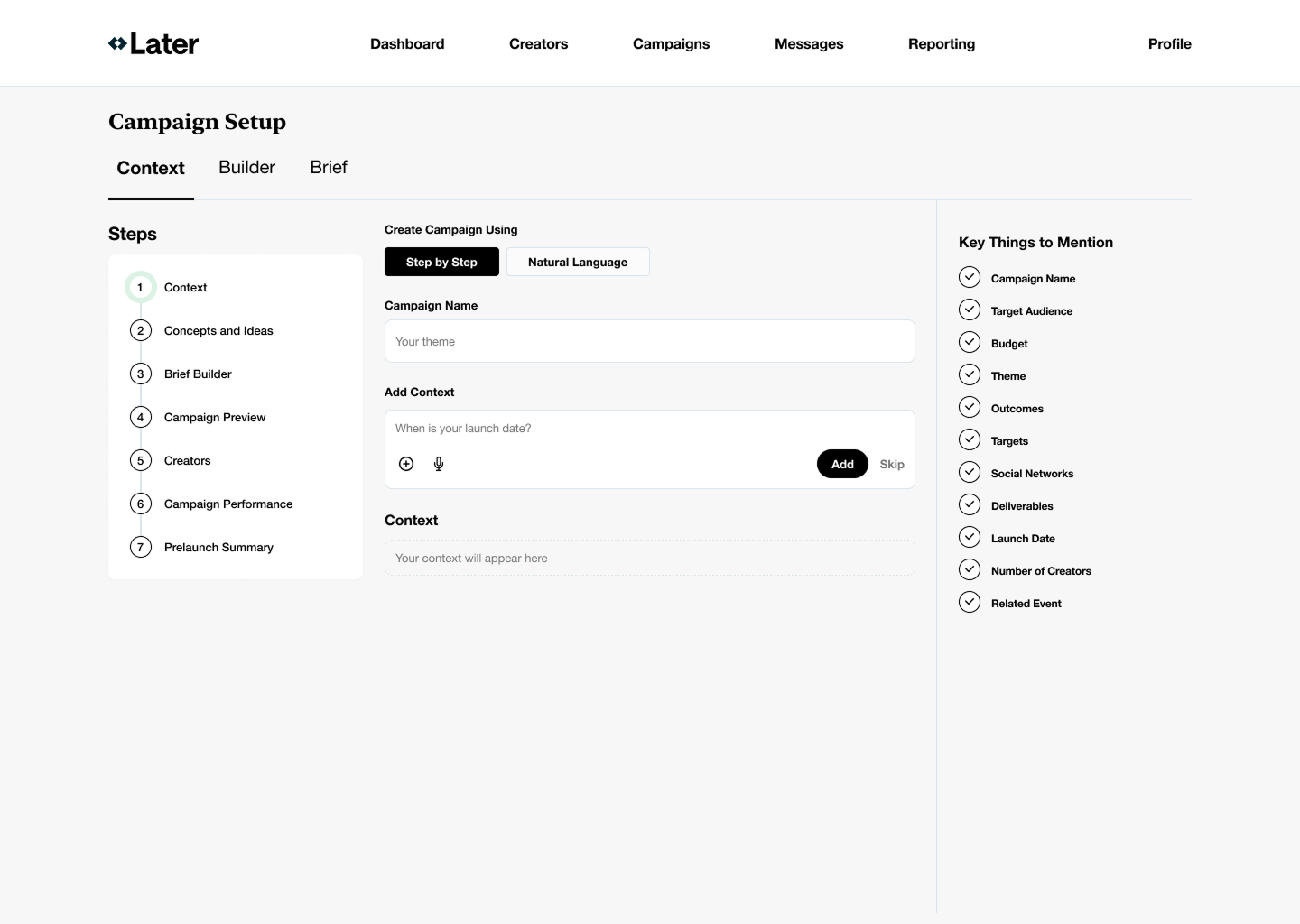
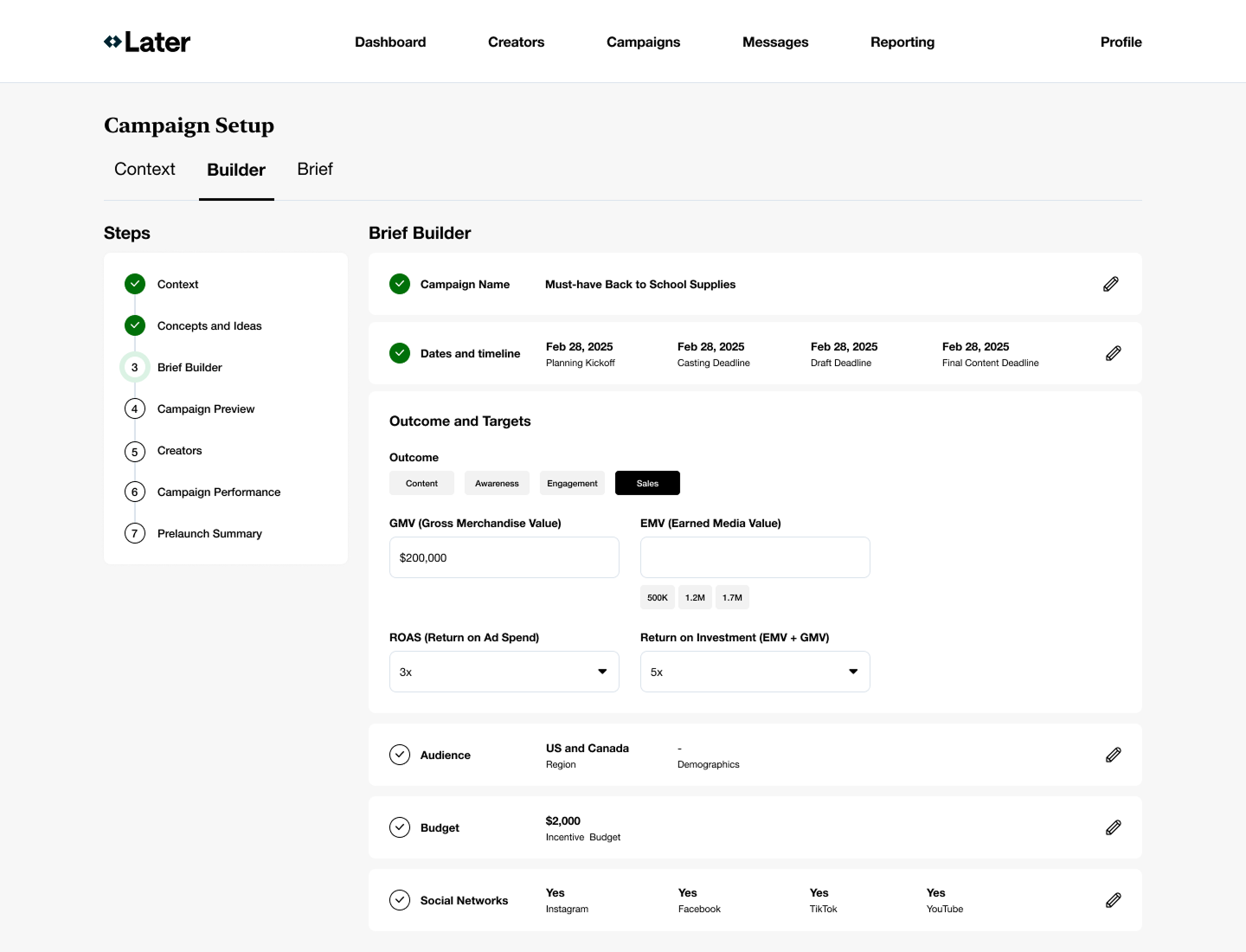
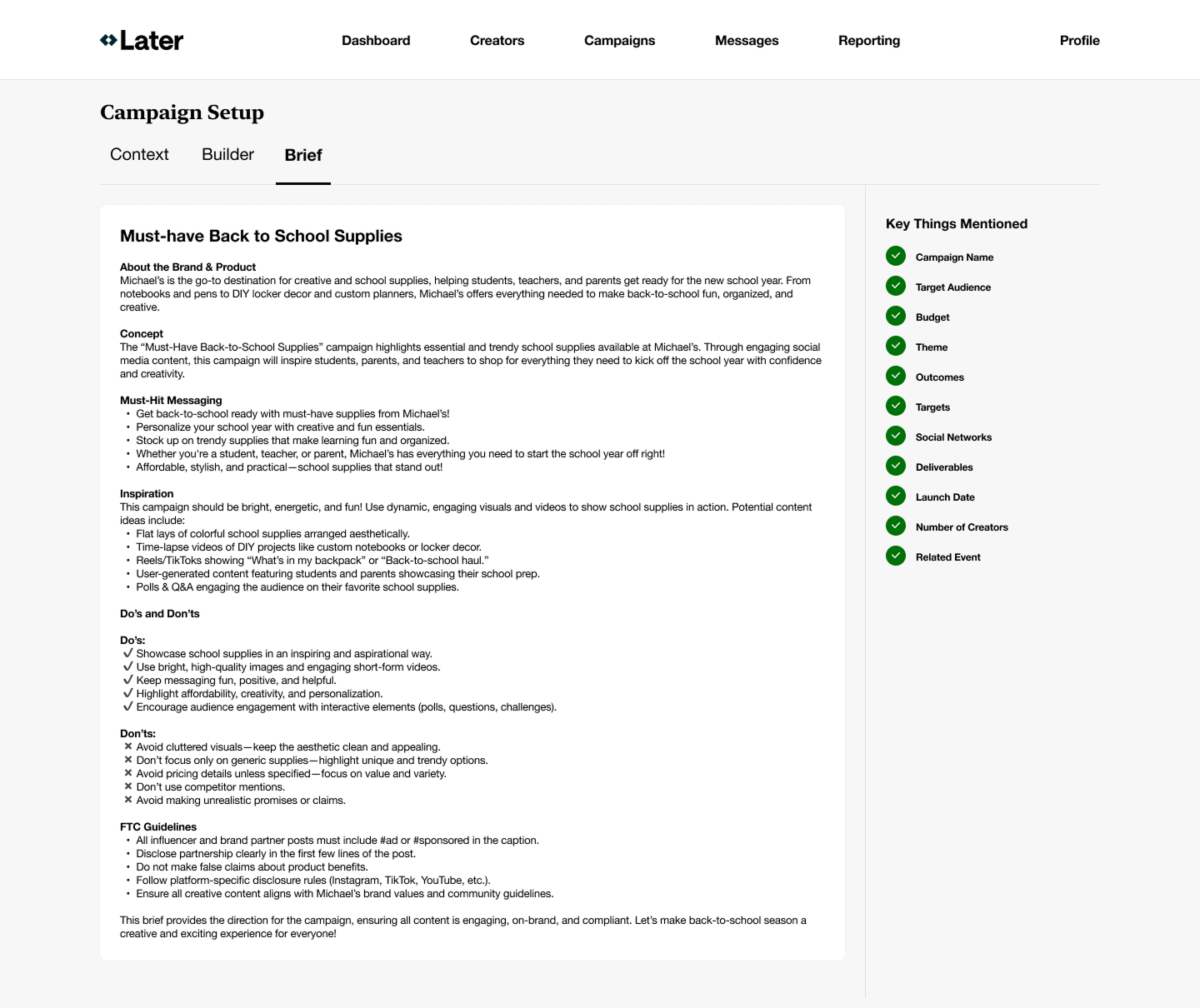
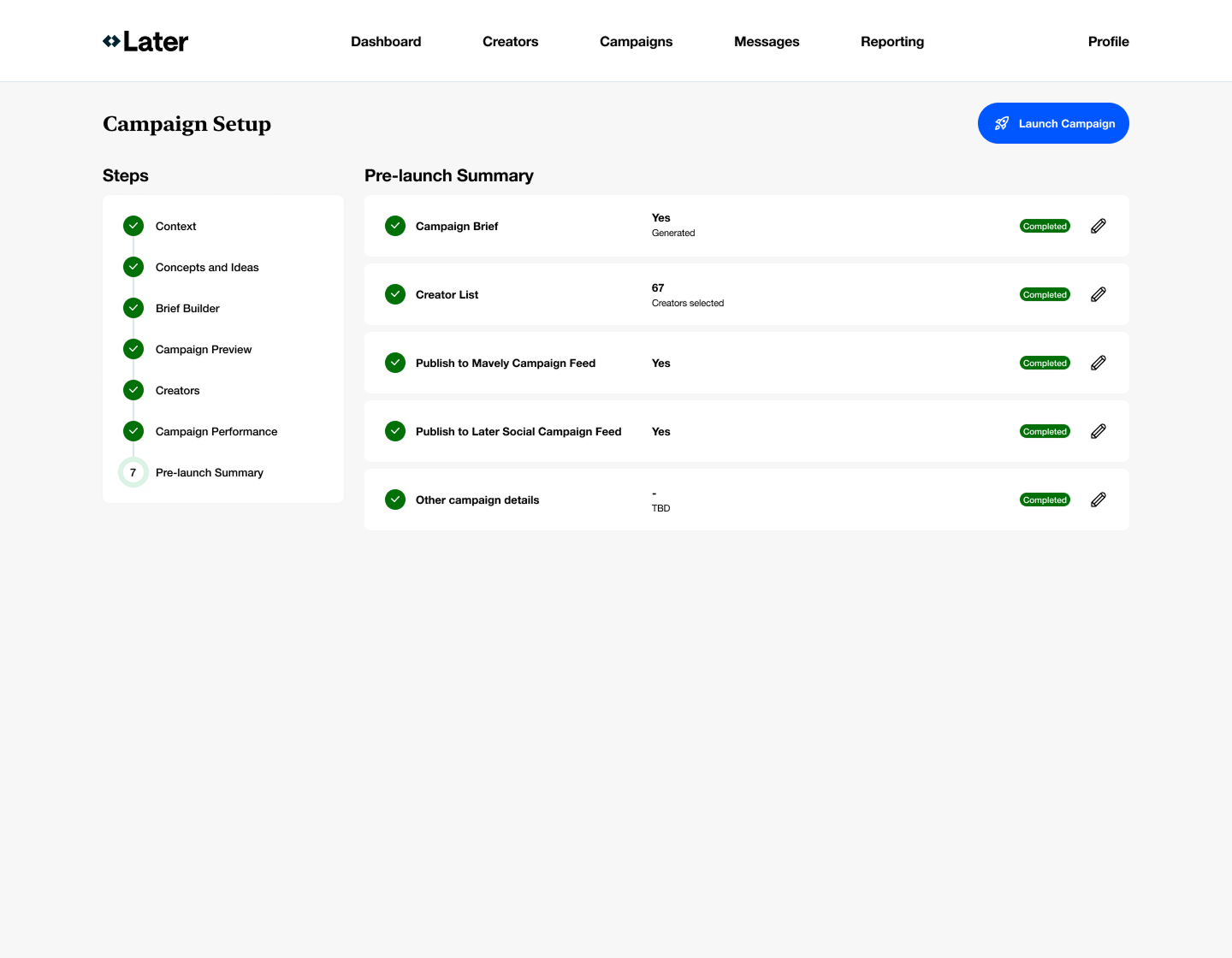
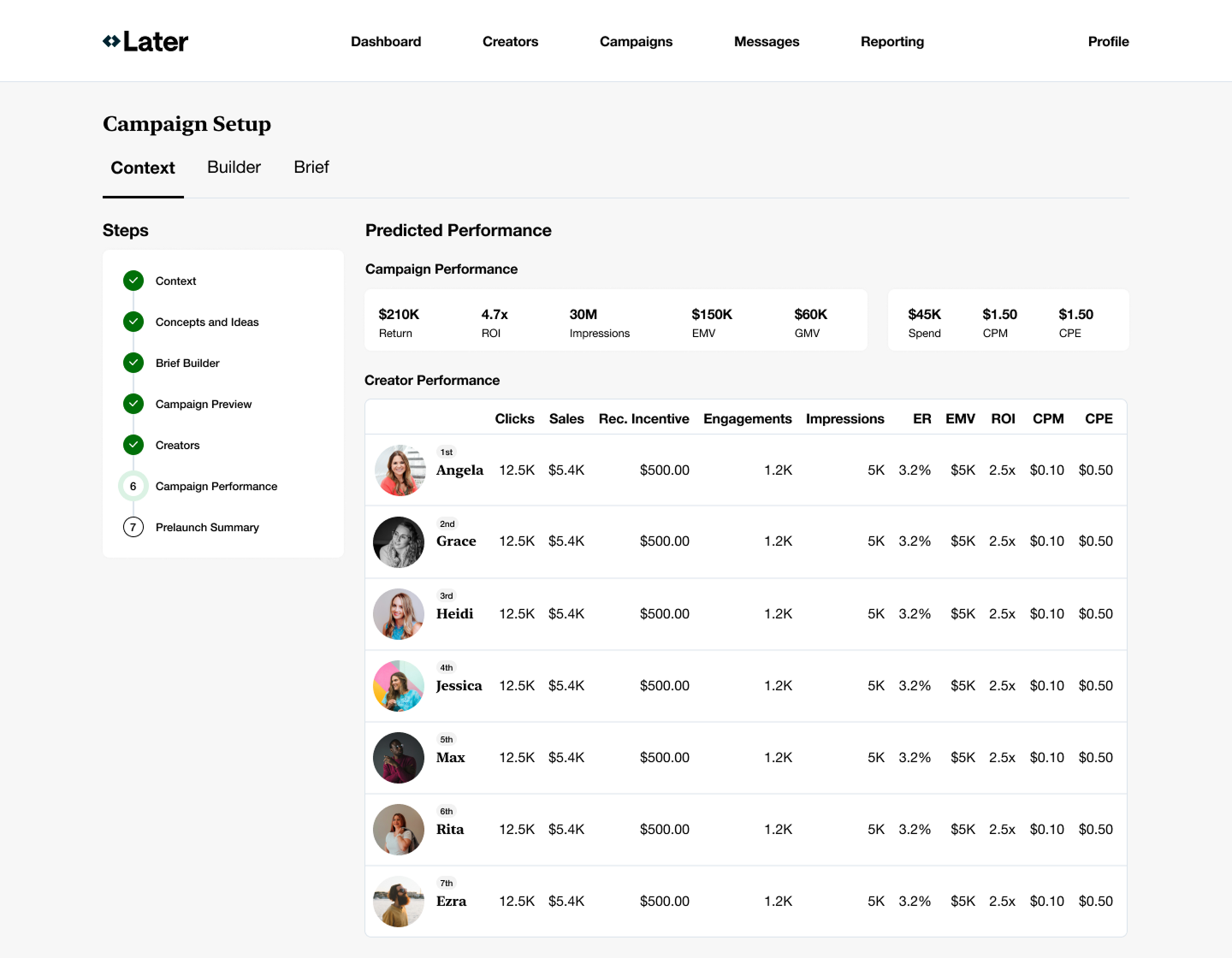
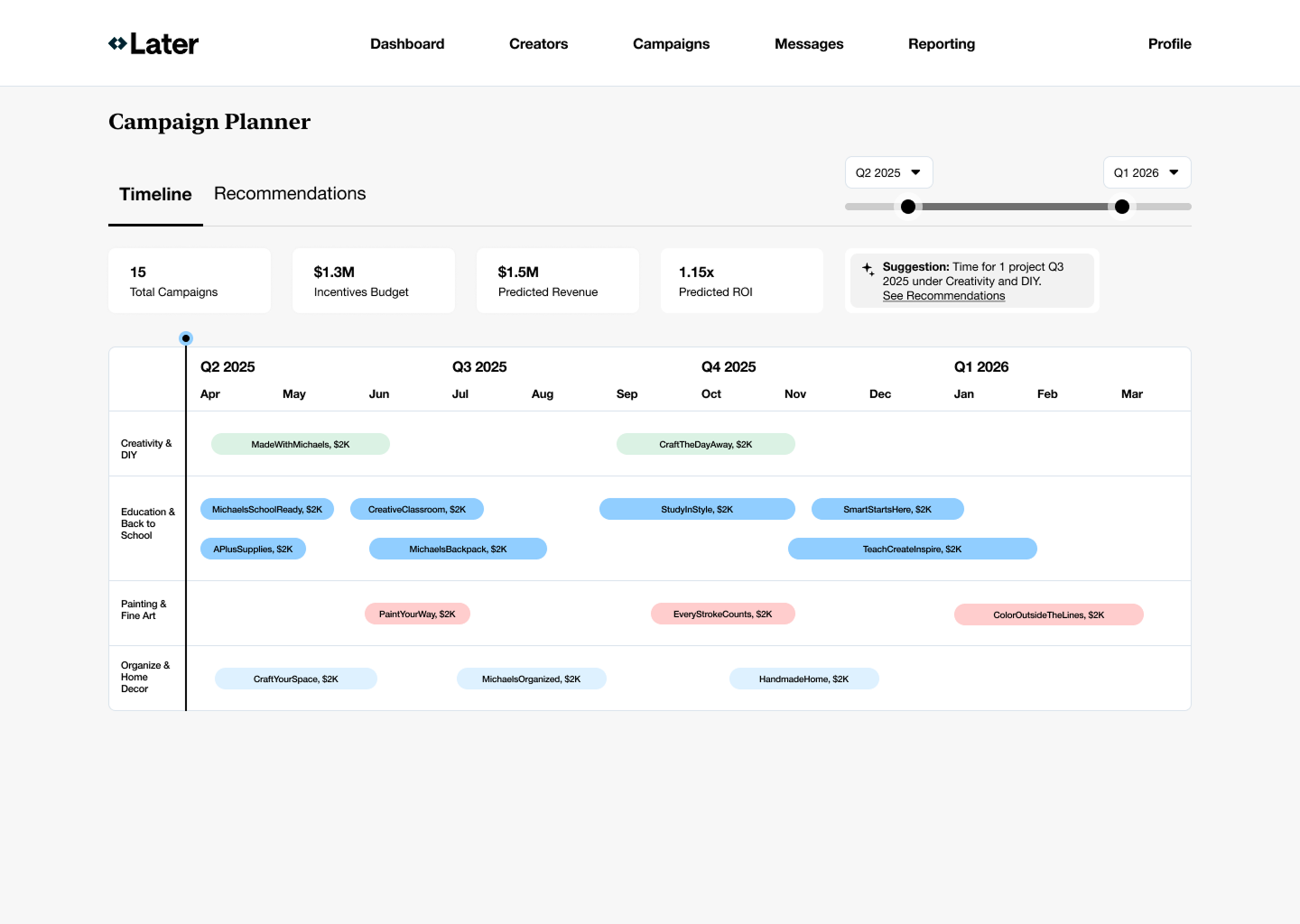
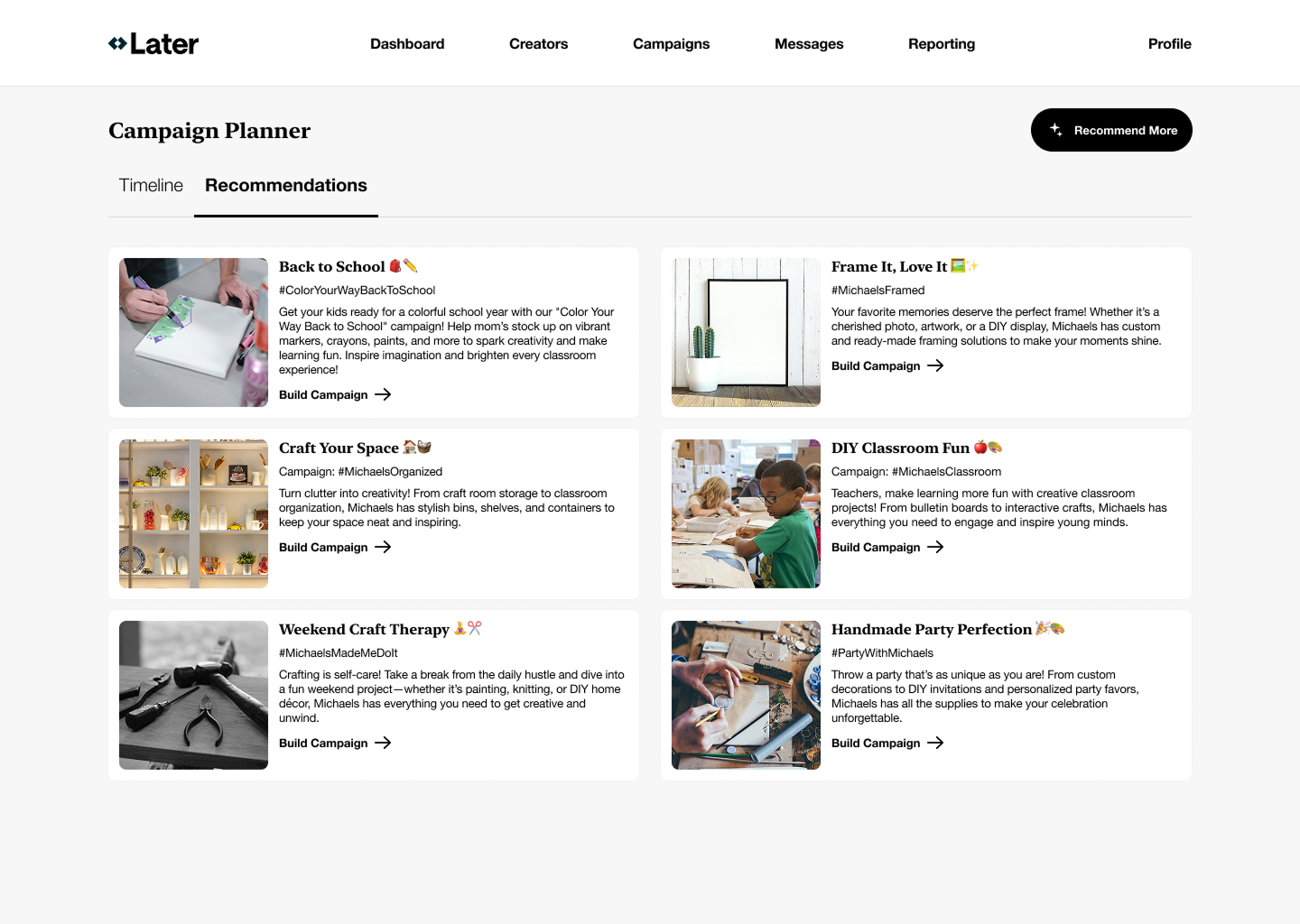
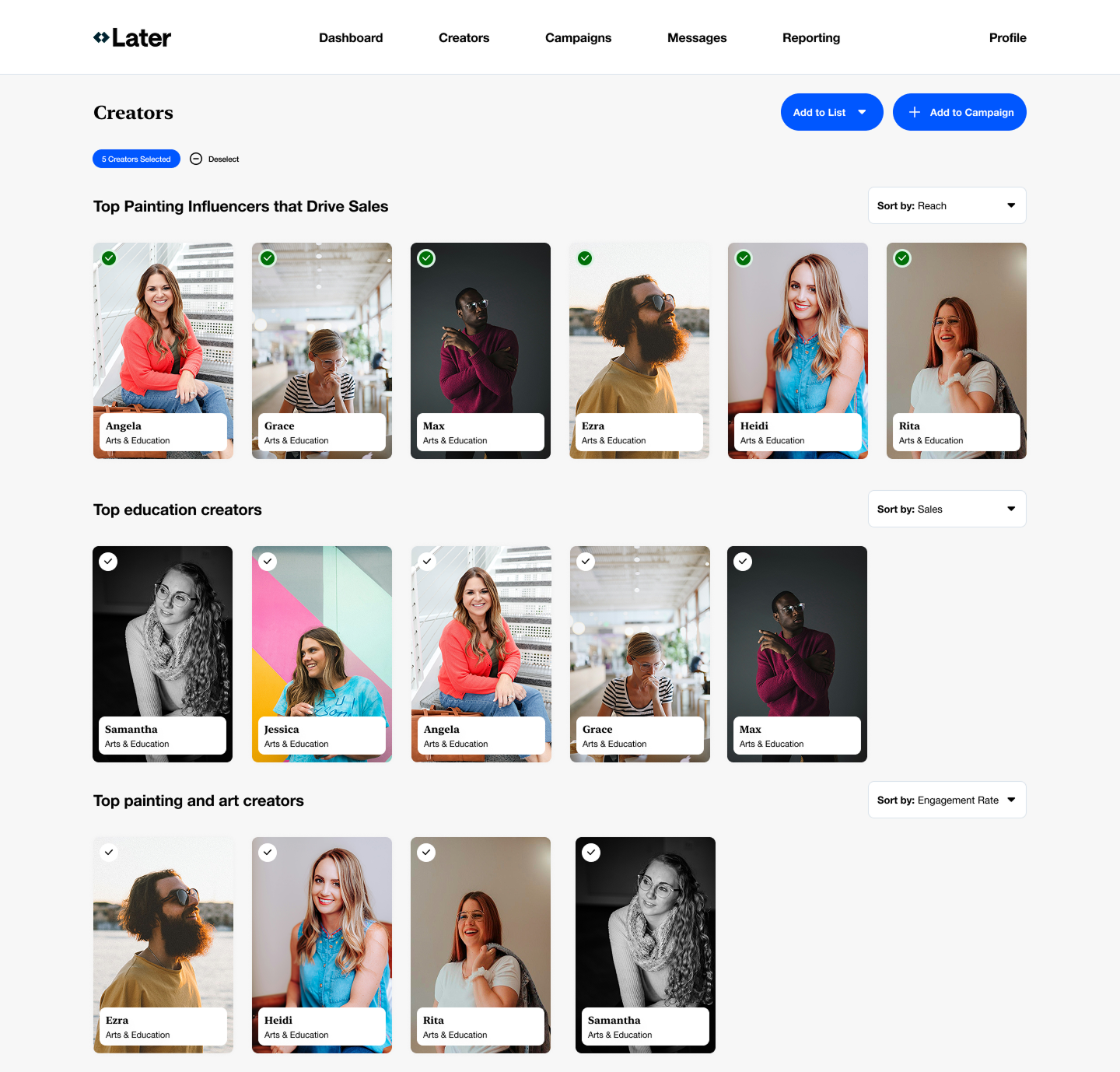
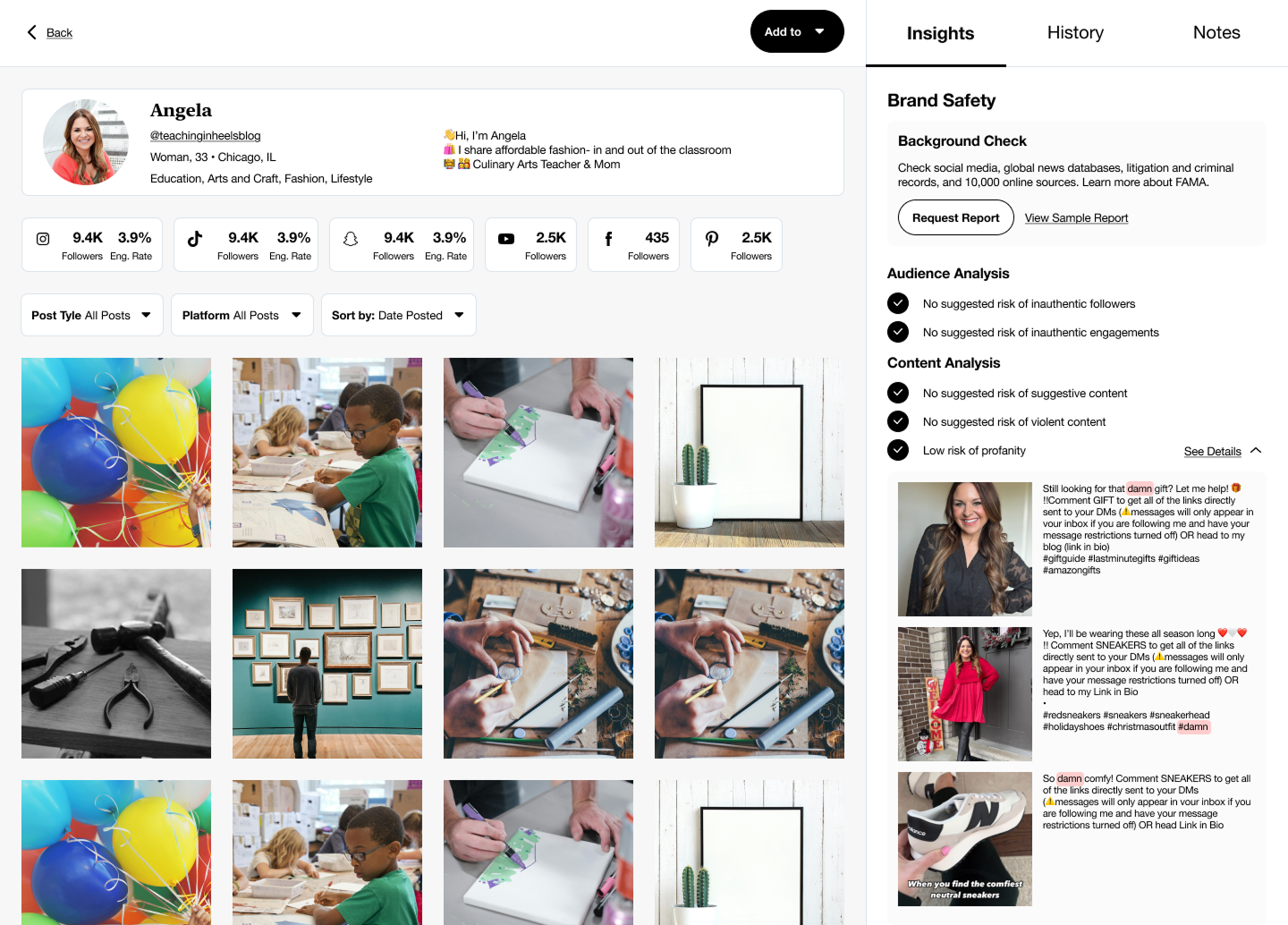

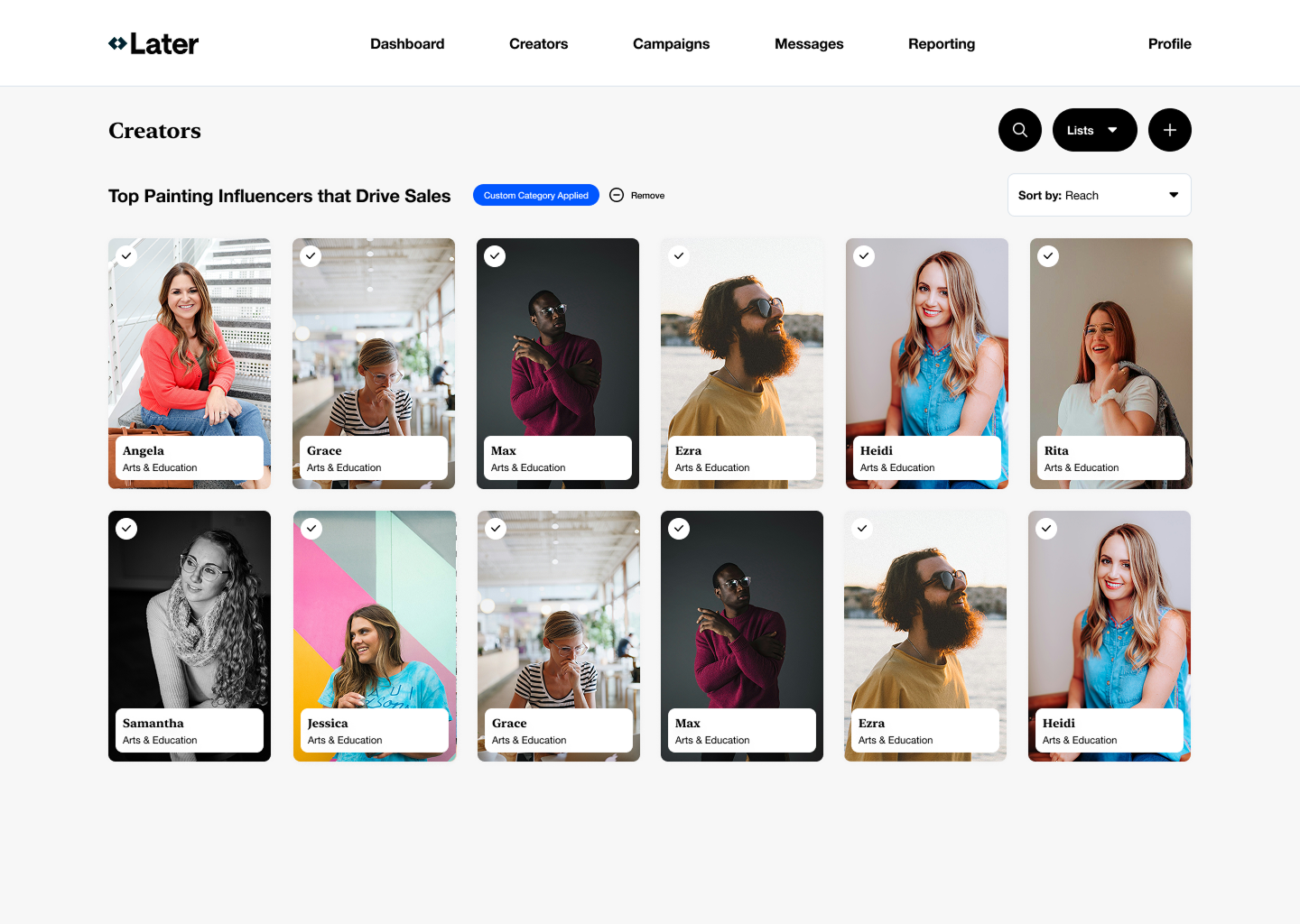
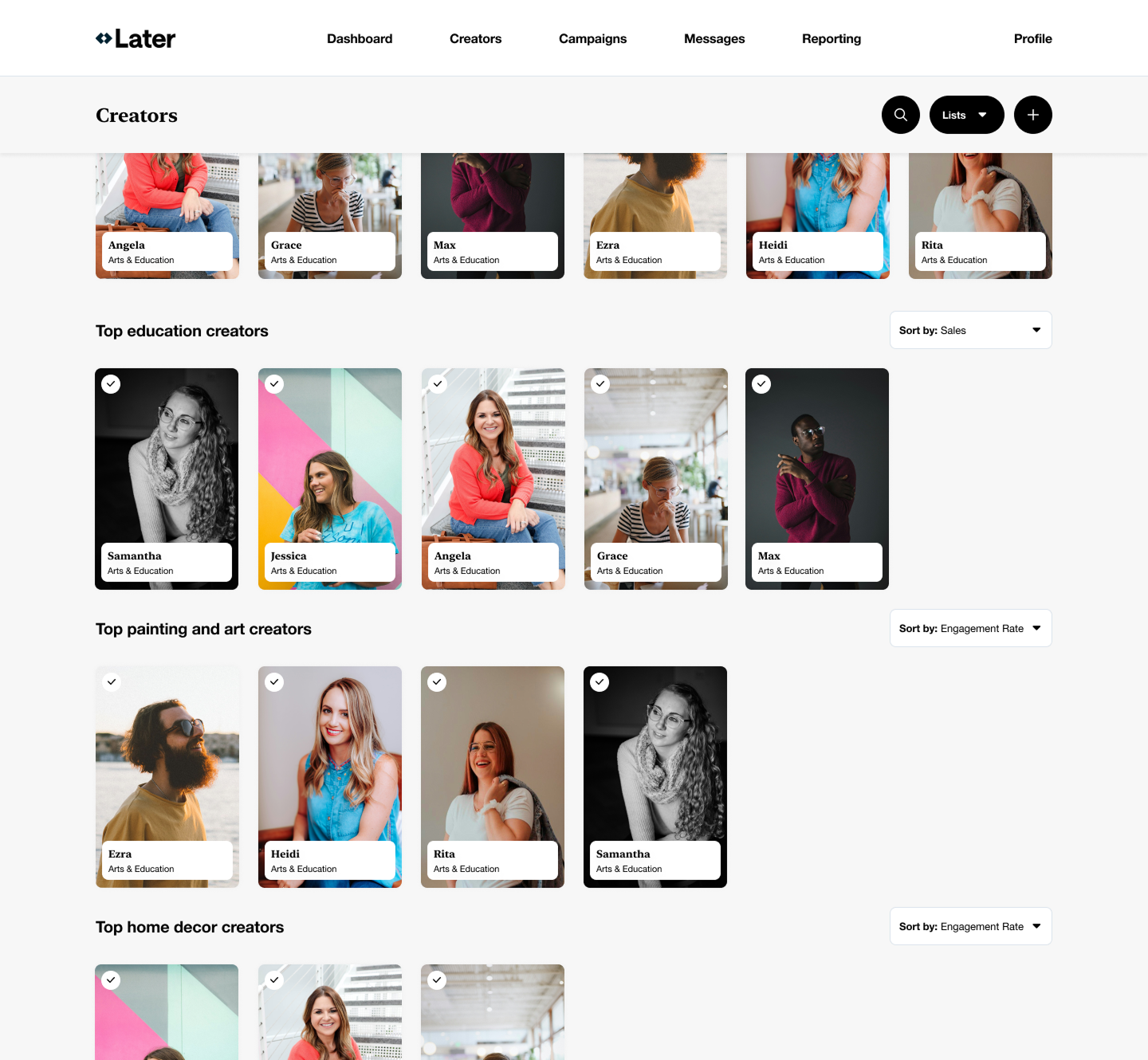
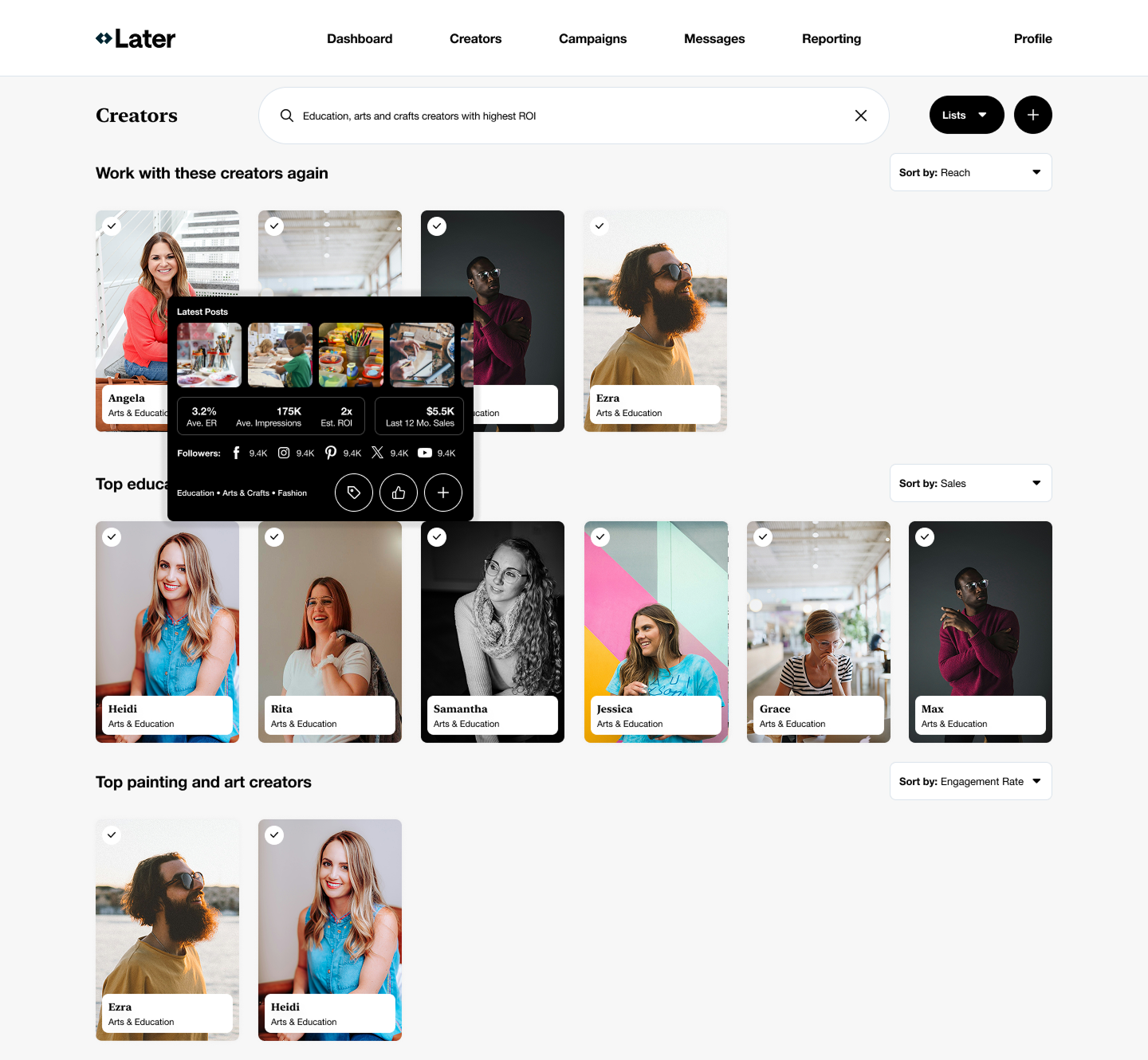
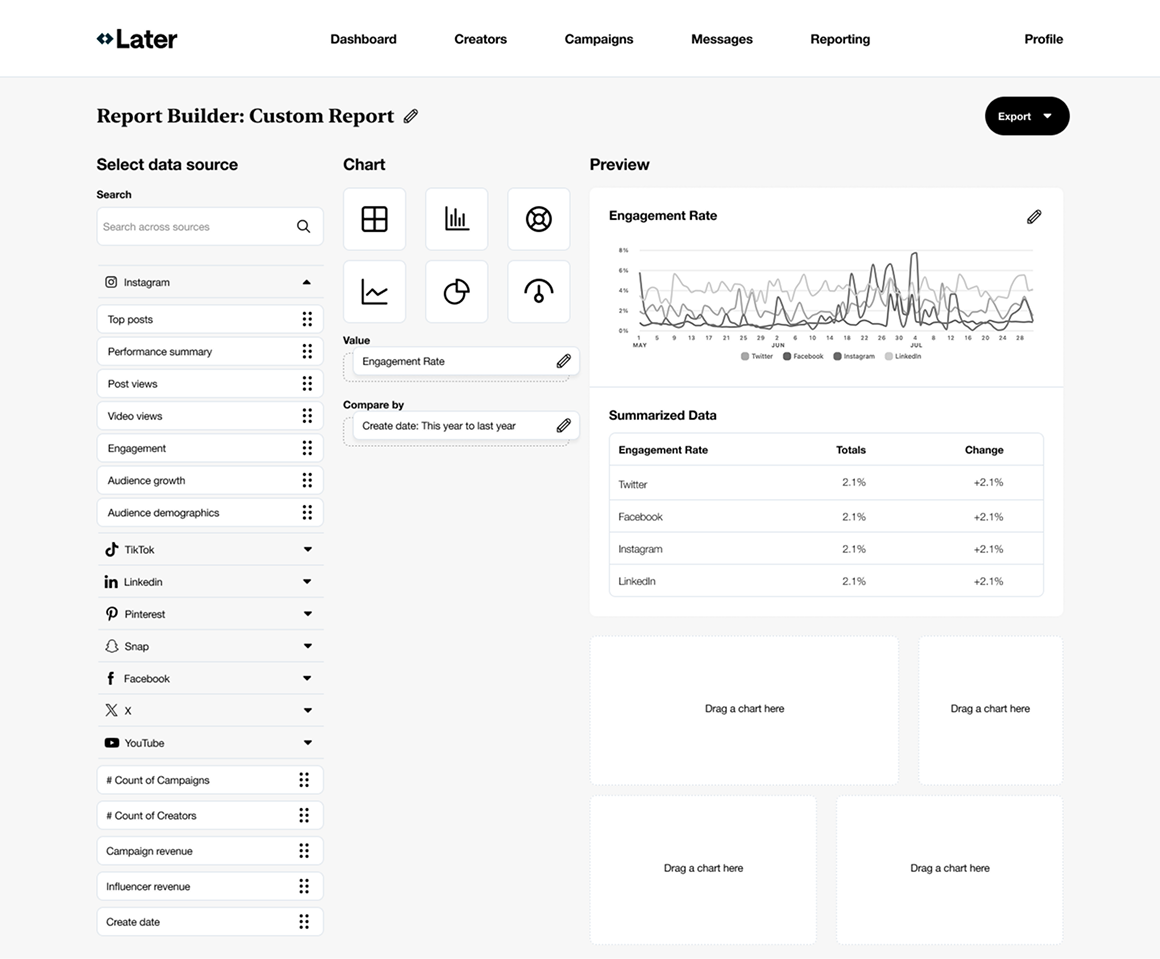
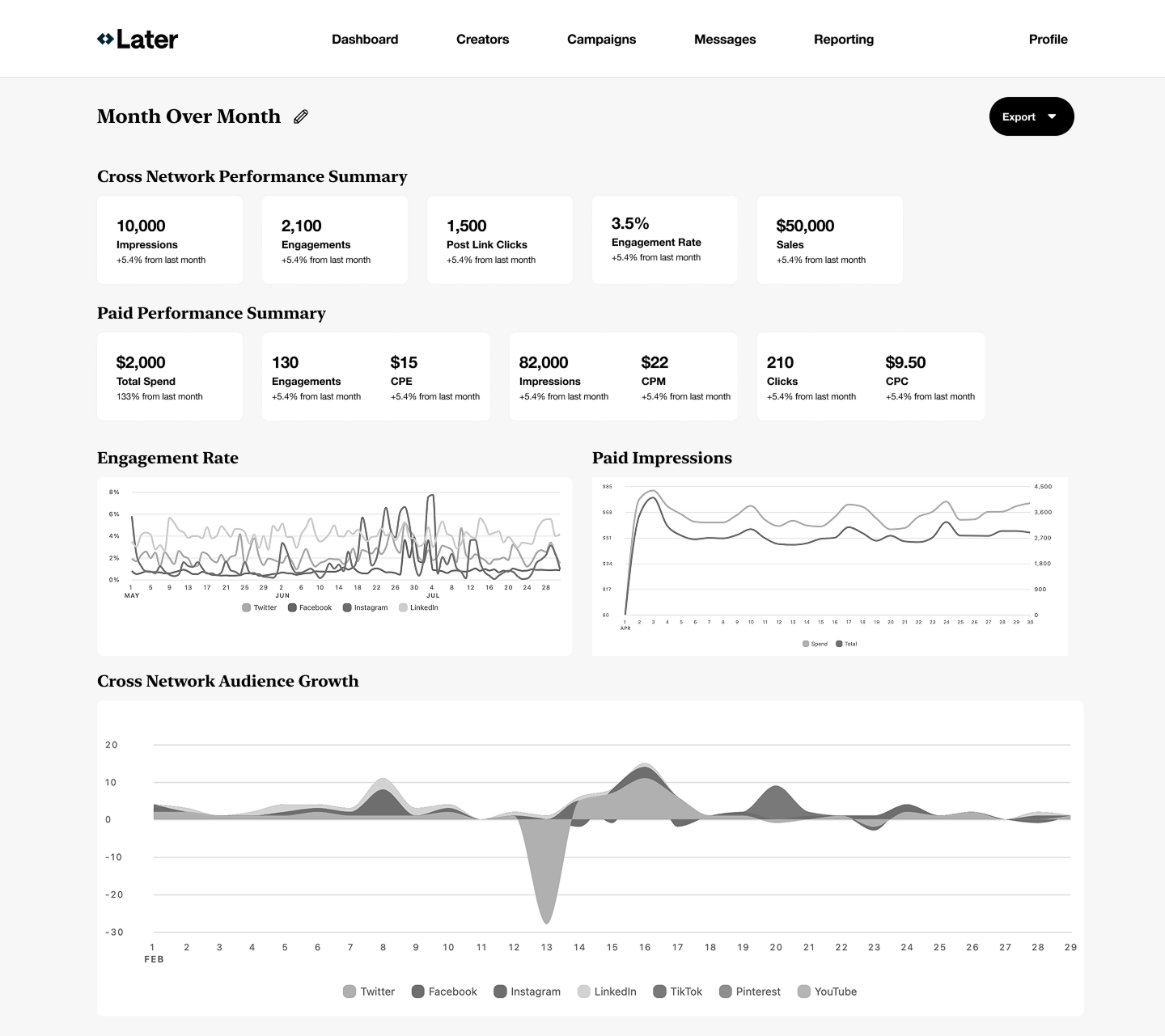
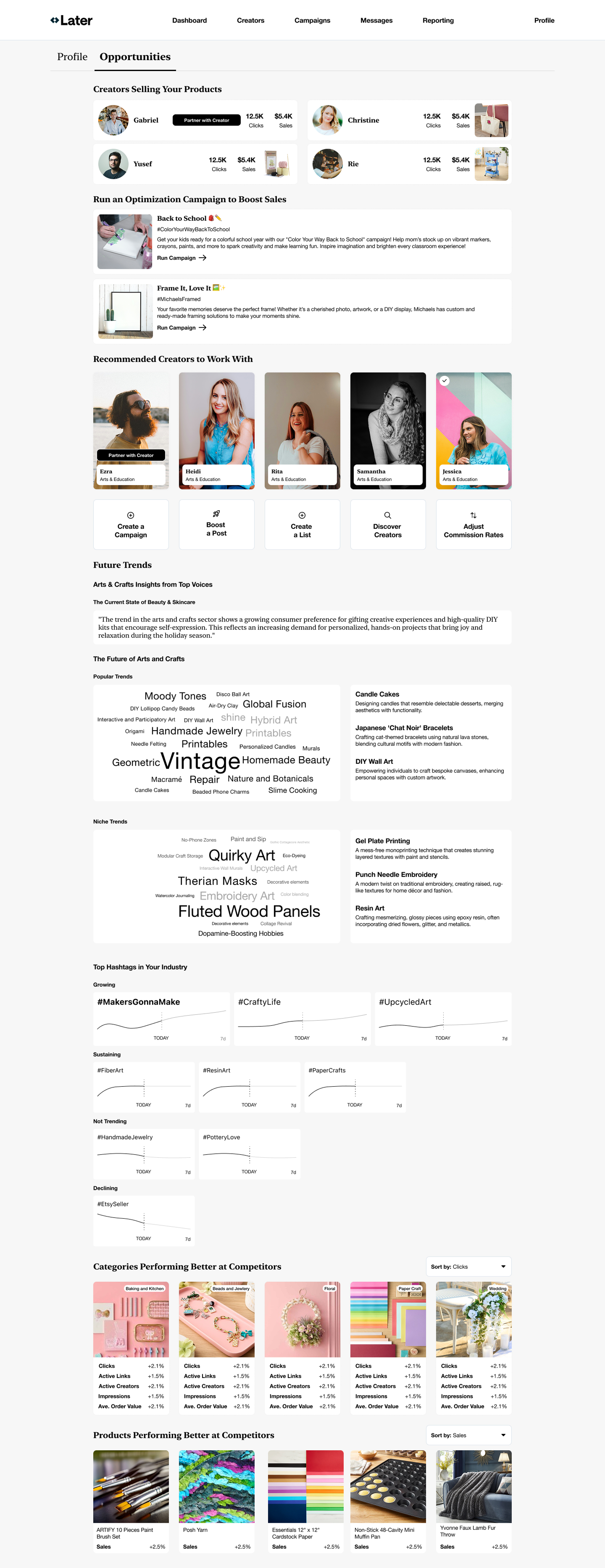

The 7-day sprint culminated in a presentation to the executive board. Instead of just showing features, we presented a reference model that changed how the organization evaluated AI opportunities.
We obtained board approval for a unified product direction for Later and Mavely.
We aligned two separate design organizations around a single experience philosophy.
This work established the experience principles that now inform our longer-term platform strategy.
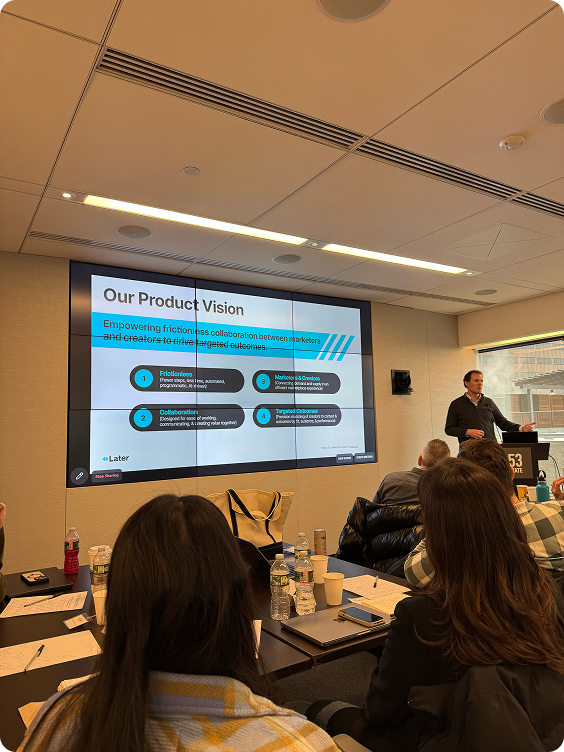
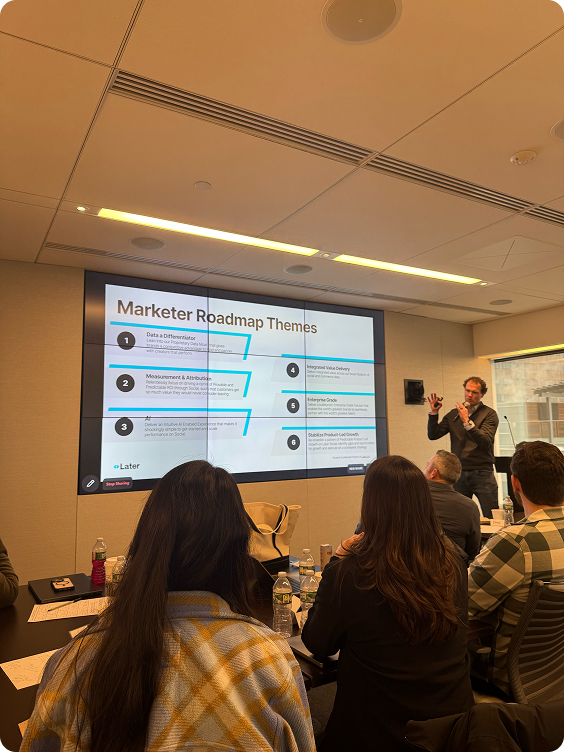
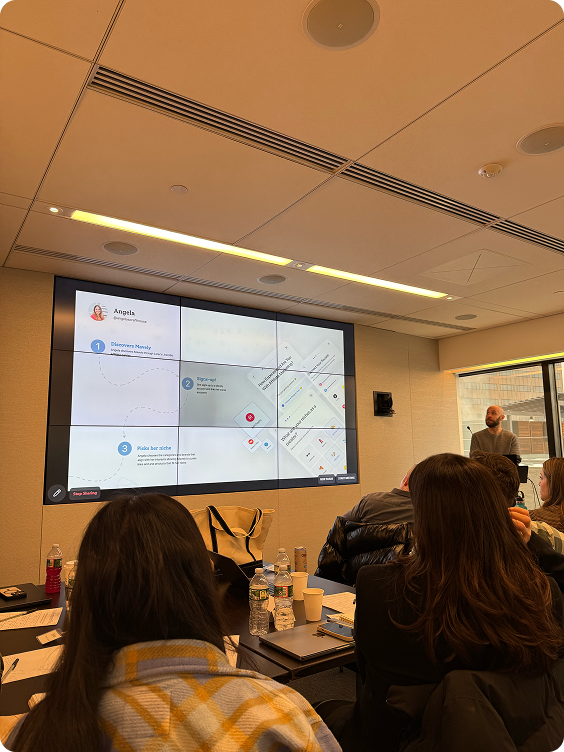
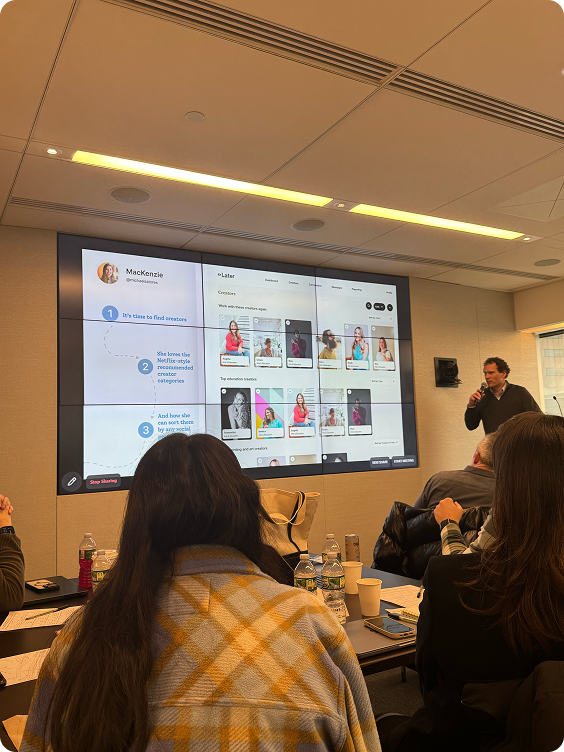
There is a recurring tension in high-stakes design. The anxiety to produce something perfect versus the need to produce something that moves the needle.
Working under extreme time pressure is a double-edged sword. It creates a unique momentum that forces you to think more creatively and decisively, but it also triggers the designer’s instinct to polish. I had to consciously remind myself that perfection wasn't the goal here, alignment was.
Despite the artifacts not looking exactly how I’d want in a vacuum, they did their job perfectly. They bridged two products and sold a vision that secured board-level buy-in. It reinforced my belief that AI is a multiplier. If you don't design the structure first, you're just automating chaos.

